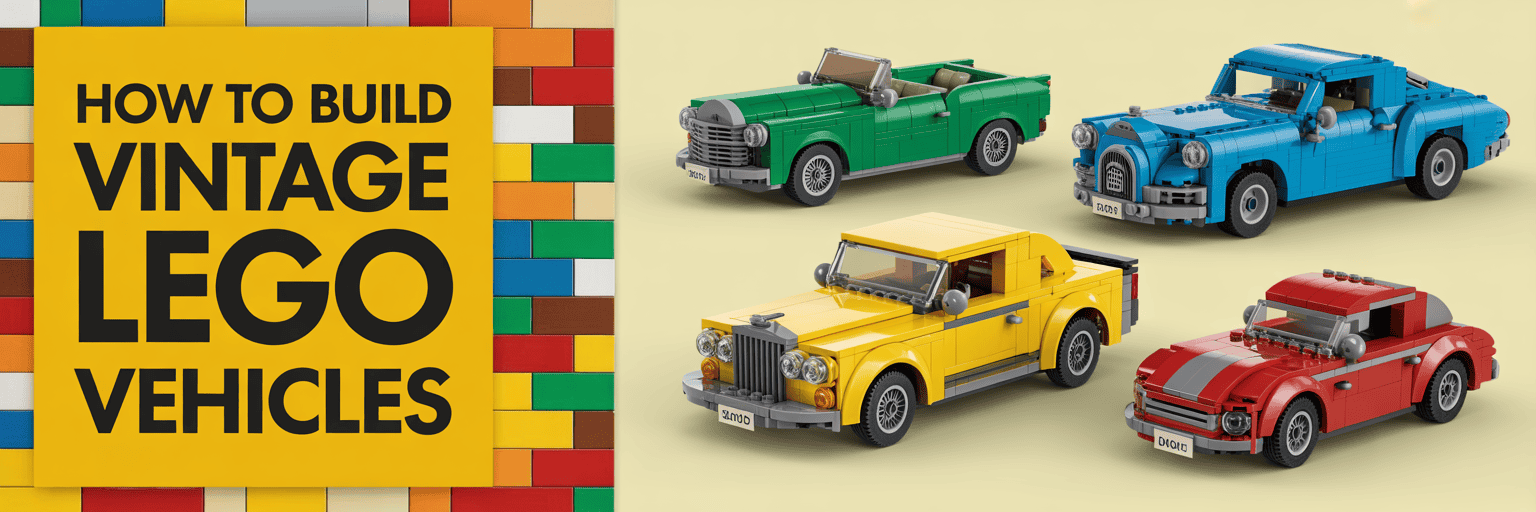
Start Here: How to Build Vintage LEGO Vehicles
An in-depth guide for builders who want to recreate classic cars, wagons, concepts, and microcars using authentic LEGO techniques and modern precision.
Vintage LEGO vehicles capture the spirit of automotive history — from streamlined roadsters and formal town cars to early people-movers and futuristic concept cars. The best builds come from studying real shapes, choosing the right proportions, and matching body style, stance, and color to the era you want to recreate.
Featured Vintage Vehicle Inspiration
These classics cover a wide range of body styles and design periods, which makes them excellent references when planning your own LEGO vehicle builds.
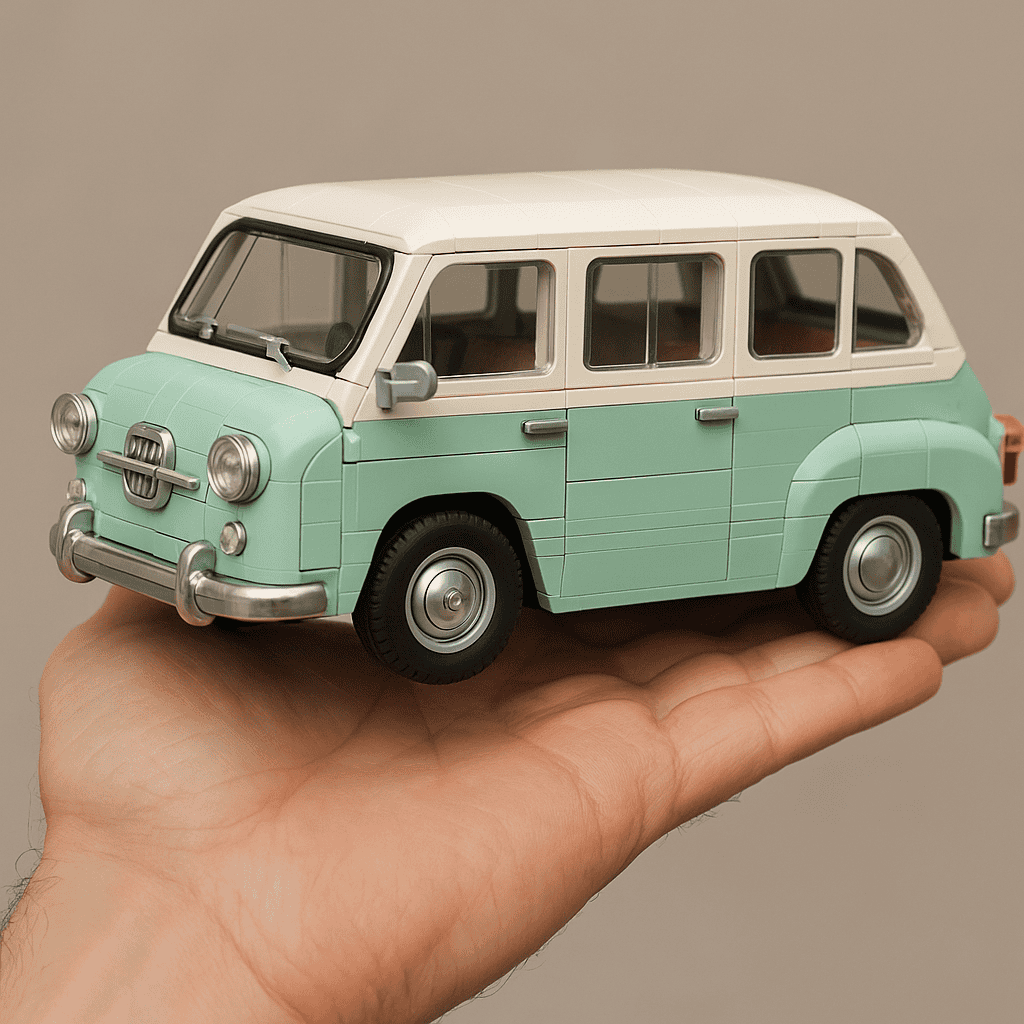
A compact people-mover with upright proportions that works beautifully for quirky vintage LEGO city builds.
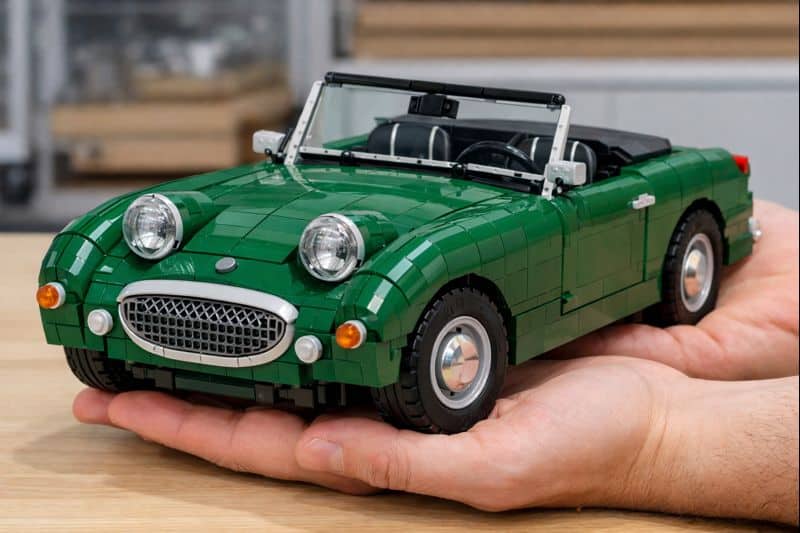
A perfect small sports car reference for rounded noses, tucked-in wheels, and playful front-end shaping.
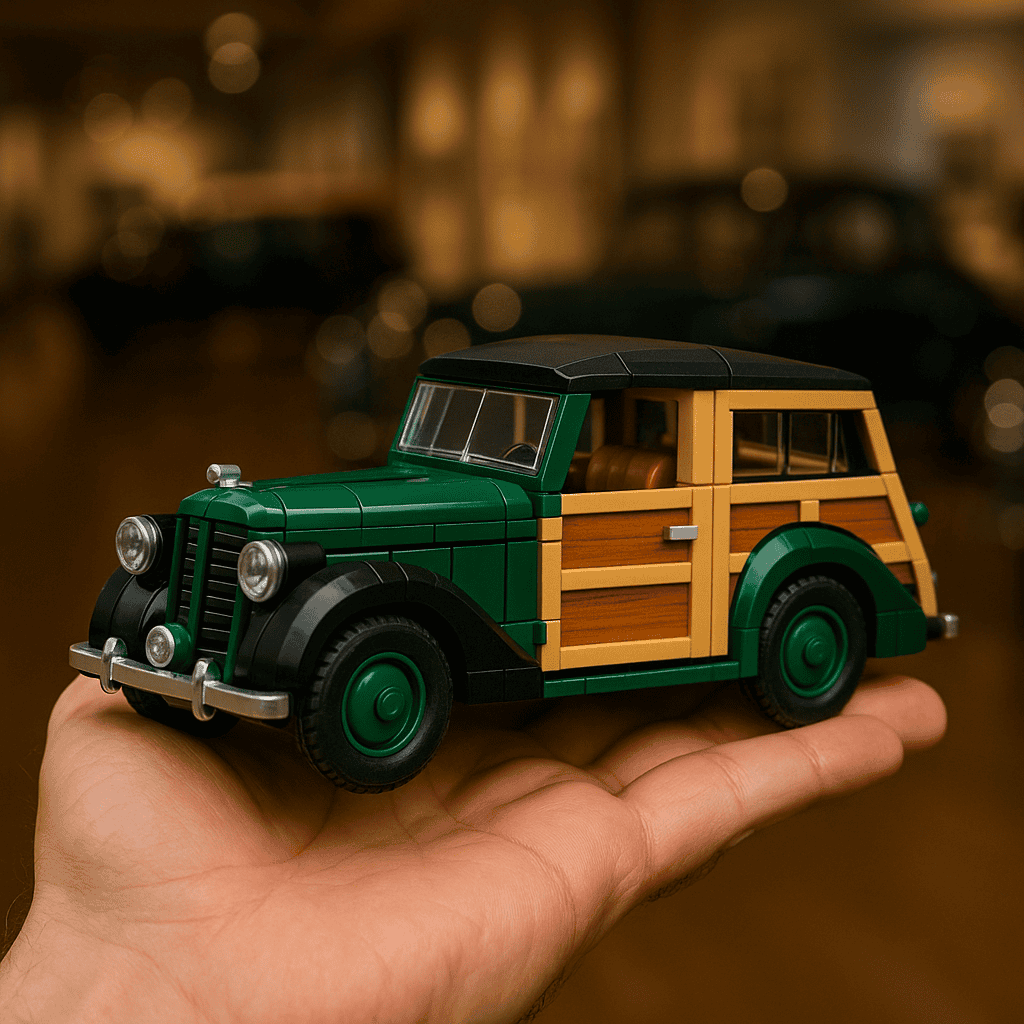
Great for practicing roof length, wagon proportions, and wood-sided body detailing in LEGO form.
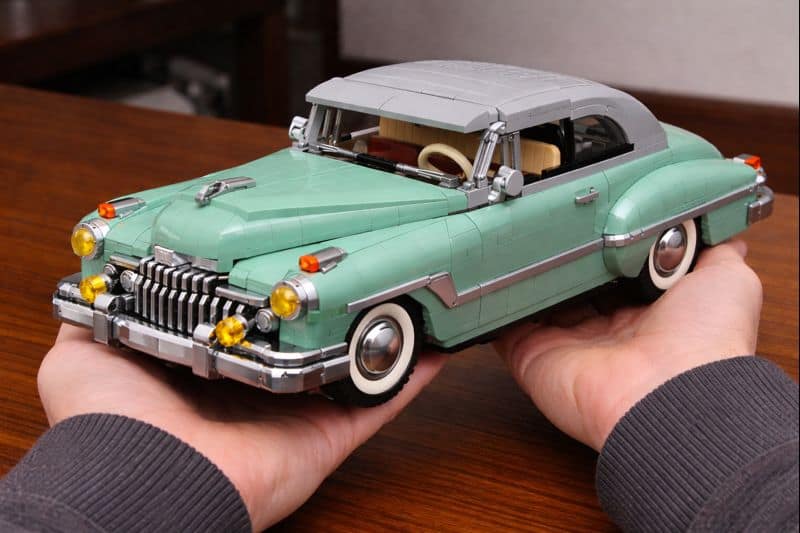
Rounded postwar bodywork and heavy chrome styling make this an excellent large-sedan LEGO reference.
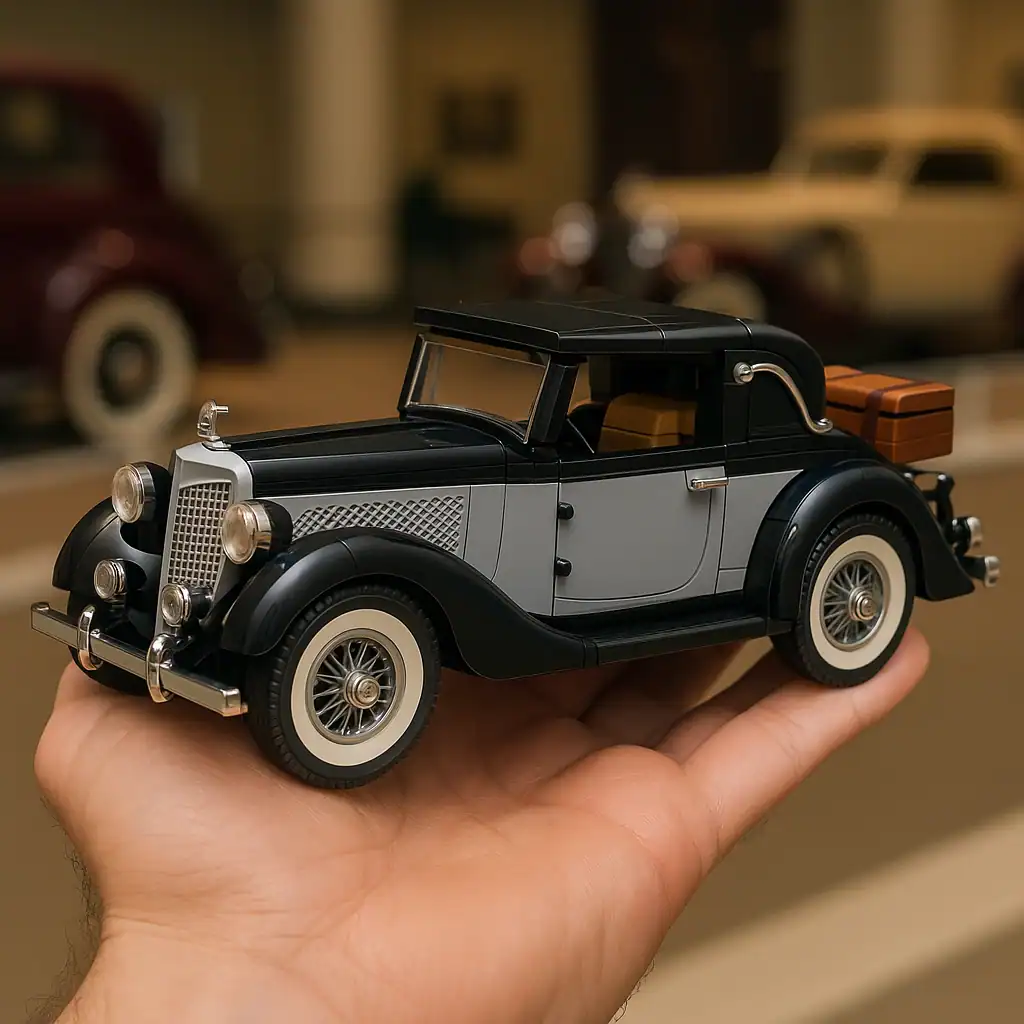
A formal coachbuilt design that helps with tall cabins, upright bodies, and luxury-era proportions.
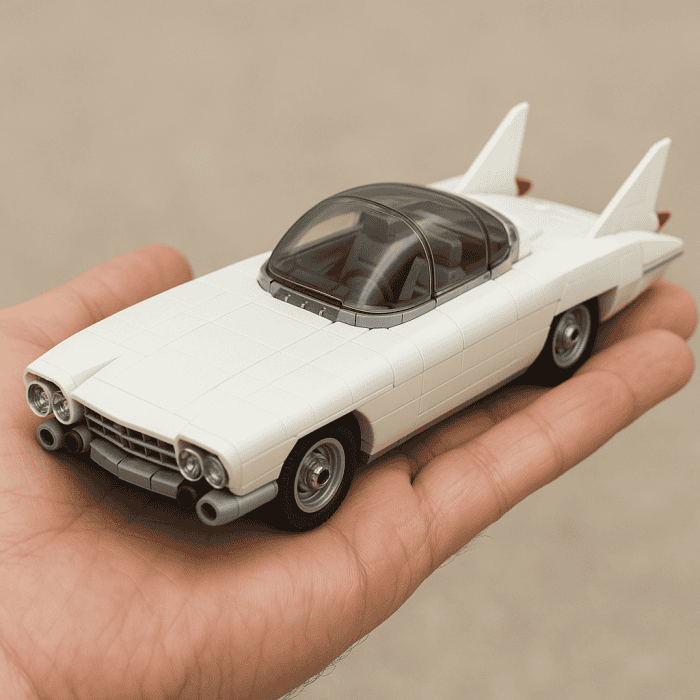
A wild concept car reference for dramatic fins, futuristic canopies, and bold show-car styling.
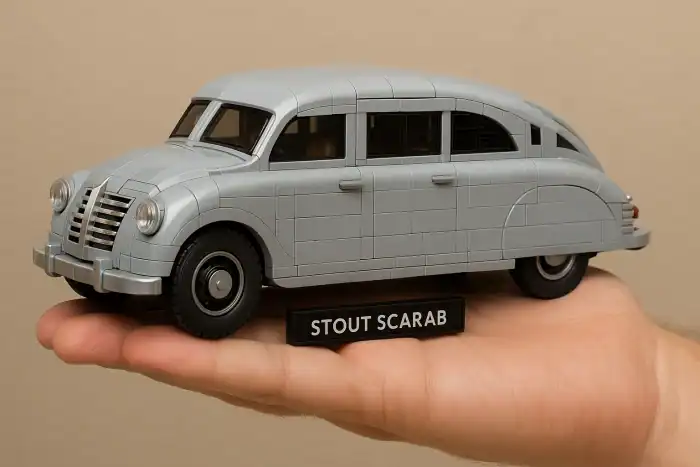
One of the best shapes for learning smooth single-volume body design and early aerodynamic forms.
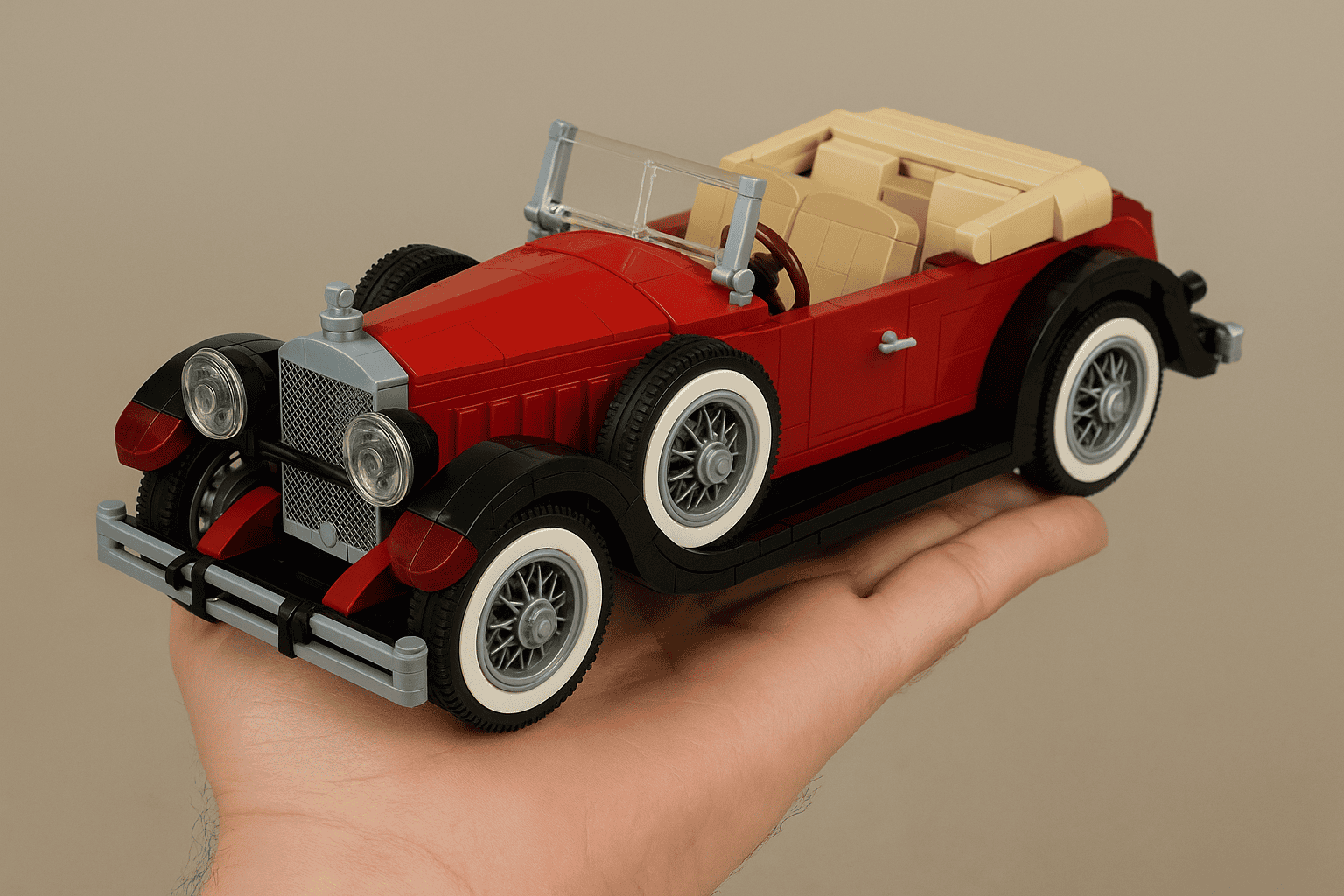
A long-hood roadster with elegant proportions that translates well into premium LEGO display builds.
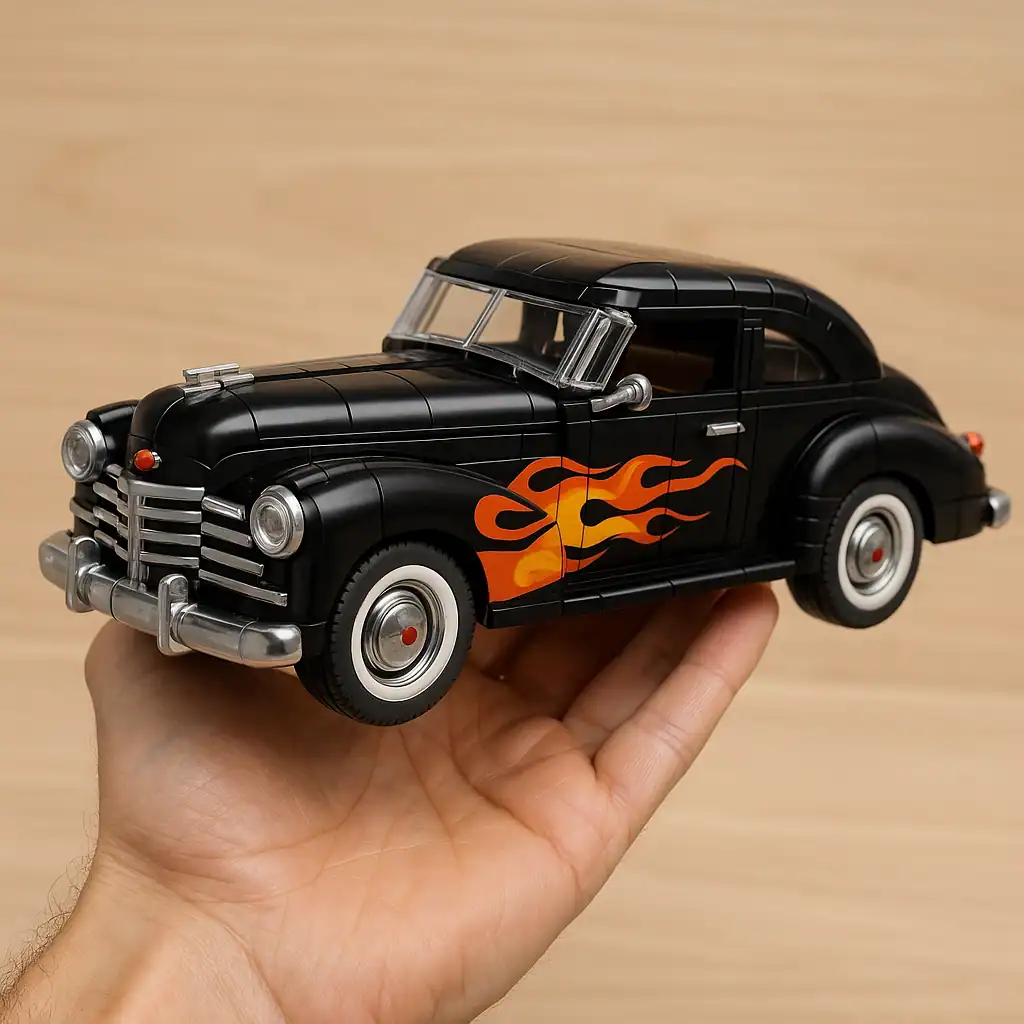
Smooth postwar lines and classic sedan proportions make this a strong reference for cruiser-style builds.
Planning Your LEGO Scale and Proportions
Consistent scale is the backbone of any realistic LEGO vehicle. Decide early whether you want a compact city-scale build or a larger display model with room for more detail.
- 6-stud width – compact and layout-friendly.
- 8-stud width – the sweet spot for most realistic vintage vehicles.
- 10–12-stud width – best for display-focused models with more interior and shaping room.
Before building, study the wheelbase, roof height, hood length, and rear overhang of your chosen car. These proportions matter more than tiny details when you want the finished model to feel “right.”
Building the Chassis First
Start with a rigid internal structure. Vintage shapes often look delicate on the outside, but your LEGO build needs a strong center spine and cross-bracing underneath.
- Use Technic beams or layered plates as a base frame.
- Set axle positions early and lock in the wheel arches.
- Make sure the body shell has solid mounting points before adding cosmetic details.
Bodywork, Curves, and Era-Specific Styling
Vintage vehicles are all about silhouette. A Packard roadster, Stout Scarab, and Cadillac concept all need different shaping strategies, even at the same LEGO scale.
- Use curved slopes and brackets for fenders and rounded noses.
- Use SNOT and half-stud offsets for smoother transitions.
- Let the era guide the design — upright and formal for prewar cars, rounded and chrome-heavy for postwar sedans, or dramatic and futuristic for late-1950s concepts.
Details That Make a Vintage LEGO Build Feel Real
Once the shape is correct, period details bring the model to life.
- Round headlights and upright grilles for prewar and postwar cars.
- Chrome-look trim using metallic silver or light bluish gray elements.
- Whitewall-style wheel treatments where appropriate.
- Two-tone interiors, roof inserts, and side trim for wagons and formal sedans.
Choosing Colors for the Right Vintage Feel
Color choice instantly changes the mood of a build. Rich, muted, or elegant tones often work better for vintage subjects than very bright modern colors.
- Dark red for luxury tourers and formal sedans.
- Sand green or dark green for classic sports cars and upscale builds.
- Tan, cream, or brown accents for woodies and estate wagons.
- Black with silver trim for town cars and high-end prewar models.
Final Thoughts
The fastest way to improve your vintage LEGO vehicle builds is to study real cars with strong, recognizable silhouettes. The linked examples above give you a nice range of body styles to work from — tiny sports cars, formal roadsters, wagons, streamliners, cruisers, and futuristic show cars.
Start with one shape you really like, build the proportions first, and then refine the details. That approach will give you stronger and more believable LEGO vehicles every time.
Explore More TacoCat Hubs
Jump to the main hub pages across the site.