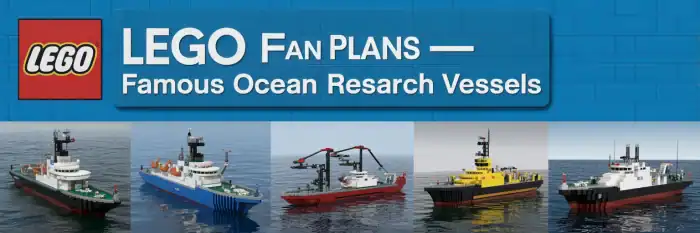
Why a research vessel generator matters
Ocean research vessels have a special look. They are not cruise ships. They are not warships. They are working platforms built for science. That makes them perfect for a model generator because the best builds need a clear mission, a believable deck plan, and a practical superstructure. This generator helps define those parts early.
Many people search for long phrases like how to build a research ship model, famous ocean research vessel design ideas, and best LEGO-compatible oceanographic vessel generator. This page answers those searches with both a tool and a guide. That combination helps users stay longer, learn more, and move deeper into the site.
What makes a great research vessel model
A strong research vessel model starts with the mission profile. A hydrographic survey ship needs different gear than a polar research vessel. A deep-sea support ship needs a different stern layout than a climate observation vessel. When the mission is clear, the hull form, mast package, and working deck begin to make sense.
That is why this generator focuses on vessel archetype, deck program, hull form, and sensor layout. These are the features people notice first. They also shape the model’s balance, silhouette, and realism.
- Polar research ships often use stronger bows, simple deck lines, and rugged superstructures.
- Hydrographic survey vessels usually benefit from cleaner sensor layouts and quieter visual profiles.
- ROV and AUV support ships need launch systems, open working decks, and stern access.
- University or training vessels often look simpler and more compact, which can make them easier to model.
Famous ocean research vessels and why builders love them
People search for famous ocean research vessels because real ships offer proven design cues. A great model does not need to copy one ship exactly. However, it should borrow from real-world patterns. Famous vessels often combine high freeboard, clear deck zones, compact bridge massing, cranes, winches, and science hardware in a way that feels instantly believable.
That matters for search intent too. Users often want famous research vessel model inspiration, oceanographic ship design examples, or real research ship layout ideas. This page is built to serve those searches while guiding them into the generator.
Real-world features worth borrowing
The most useful features to borrow from real research ships are structural, not decorative. A strong stern frame, an A-frame or crane zone, a clear bridge block, a useful mast, and a believable work deck do more for realism than random detail parts. Builders looking for how to make a realistic ocean research vessel model usually get better results when they simplify these big forms first.
The generator on this page helps lock those choices before you start refining colors or part counts. That makes the final build spec more stable and easier to follow.
Why BrickLink Studio planning helps
BrickLink Studio is useful because it gives builders a way to test proportions, part usage, and deck shapes before buying inventory. For a long vessel with a lot of horizontal surfaces, that matters. If the hull line is weak or the superstructure is too tall, the model can start to look toy-like instead of purposeful.
Builders often search for how to design a ship in BrickLink Studio, BrickLink Studio research vessel workflow, and best way to plan a LEGO ship model before buying parts. This page supports those searches by combining a generator with a simple design logic: choose the mission, define the hull, set the deck, then refine the systems.
A simple workflow that works
- Pick the vessel type first.
- Choose a hull that fits that mission.
- Define the deck gear and mast package.
- Generate the build text and parts logic.
- Test the design in Studio before final refinement.
This is a cleaner workflow than starting with random parts. It also gives search visitors a clear path from idea to action.
Why this page builds trust
This is not just a keyword page. It has a working tool, a practical use case, a topic-specific article, and clear internal next steps. That improves trust for both visitors and search engines. Users looking for a research vessel builder page with real value get more than filler text. They get a usable system.
Long-tail topics this page naturally supports
Search traffic often comes from very specific phrases. Broad terms like “ship model” are hard to rank for. Long-tail terms are easier to target because they match clear user intent. This page is built around keyword clusters tied to oceanographic vessels, research ship design, ship model planning, classroom ocean science projects, and LEGO-compatible build workflows.
- famous ocean research vessels from around the world
- oceanographic vessel model generator
- how to design a research ship model
- LEGO-compatible research vessel build guide
- best research vessel layout for BrickLink Studio
- polar research ship model ideas
- hydrographic survey vessel model planning
- deep-sea support vessel model design
- classroom ocean science model project ideas
Those phrases fit the generator naturally because the tool already asks for the same decisions users are searching for.
What to do next
Who should use this generator
This tool works well for teachers, ocean science clubs, parents planning a ship project, model designers, and builders who enjoy realistic working vessels. It also works for content creators who want a page that answers both educational and hobby-focused searches.
If your audience is searching for ocean research vessel project ideas, science ship model inspiration, or famous research vessel build guide, this page gives them a direct entry point.
Quick answers
Can this help with classroom planning? Yes. Research vessels are great for ocean science, geography, and design projects.
Does the article match the generator topic? Yes. The article is focused on research vessel design, model planning, and search phrases tied to the generator output.
Why include related internal links? They help users move deeper into the site and support stronger topic relevance across connected pages.