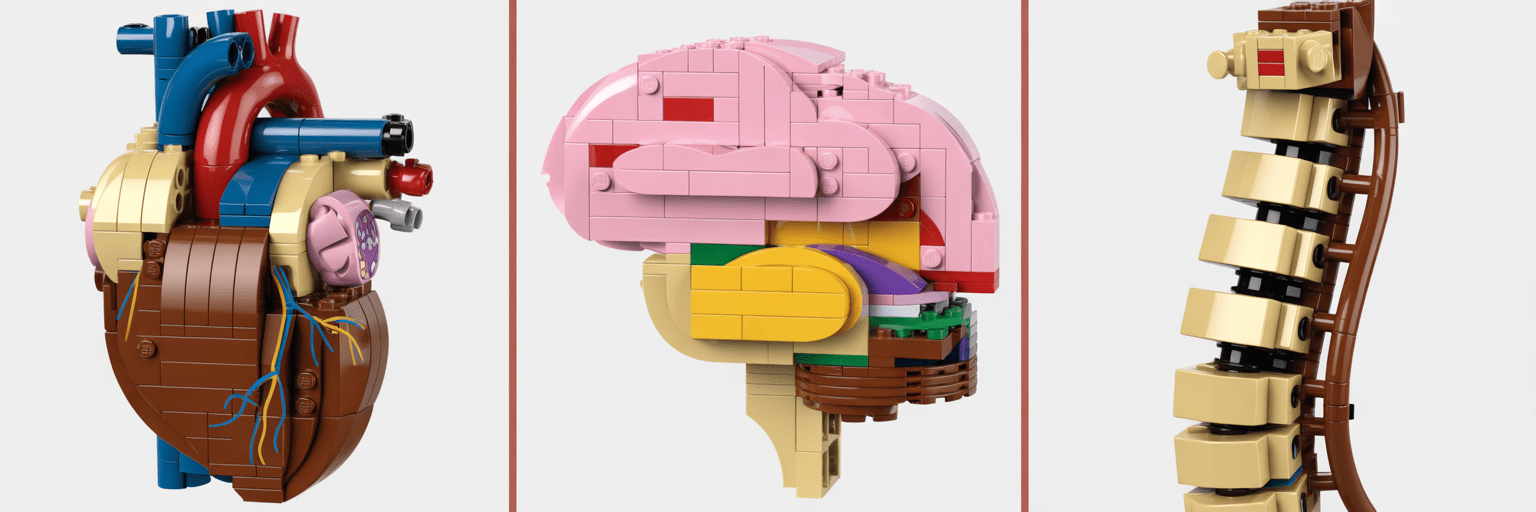
LEGO Body Parts Prompt Generator
Museum-quality clones • Real-Build Mode • Green/Tan palette • Detailed interiors
Box 1 — Real Parts Image Request
Builder Brief (Level 2)
Detailed Plans (Level 3)
Plain-Text BOM & BrickLink Notes
Diagnostics
Idle.
LEGO Body Parts Build Ideas: Anatomical Models, Museum-Style Figures, Skeleton Studies, Organ Displays, and Real-Build Human Form Projects
Human anatomy and body-part builds are one of the most unusual and visually striking directions for advanced LEGO design. A strong LEGO body parts build can combine sculpture, anatomy, education, and real-build engineering into one display-worthy model. Whether you want a LEGO head model, a LEGO skull study, a LEGO torso and ribcage display, a brick-built hand and fingers model, or a LEGO full figure anatomy build, this page is designed to help users generate structured prompts for highly detailed, realistic, and instruction-ready creations.
Many visitors search for phrases such as LEGO anatomy model, LEGO body parts instructions, brick-built human body model, LEGO skeleton study build, LEGO organ display model, and museum-style LEGO anatomy sculpture. This page supports those searches by combining the prompt generator above with an SEO-focused article that broadens topical relevance, adds long-tail keyword coverage, and helps the page rank for body-part, anatomy, and educational display searches.
Why LEGO Anatomy and Body-Part Builds Are So Interesting
A LEGO body part model stands out because it is both artistic and educational. Unlike standard vehicles or buildings, anatomical builds depend on contour, proportion, silhouette, and internal structure. A realistic head, hand, ribcage, or full figure display requires careful shaping, stable internal construction, believable surface transitions, and smart use of scale. That makes this category especially appealing to advanced builders, teachers, students, museum fans, and anyone interested in sculptural LEGO design.
Searchers often look for LEGO human anatomy builds, LEGO medical teaching model, realistic LEGO sculpture, LEGO skeleton display, LEGO body form study, and brick-built anatomical reference model. Because this subject overlaps art, science, and display modeling, it has strong potential for niche search traffic.
Best Long-Tail Keywords for This Page
This page naturally supports long-tail phrases such as LEGO body parts prompt generator, LEGO anatomy build plans, LEGO human body model instructions, museum-quality LEGO anatomy display, brick-built skeleton study model, LEGO organ model build, LEGO skull sculpture instructions, LEGO hand and fingers build, LEGO ribcage and torso display, and real-build LEGO body part model.
Additional long-tail keyword clusters include LEGO anatomical teaching model, LEGO full figure sculpture, LEGO head and face build, LEGO articulated anatomy model, LEGO musculature study, LEGO medical display sculpture, LEGO museum plinth anatomy build, LEGO BrickLink body model BOM, LEGO body part MOC ideas, and LEGO legal geometry sculpture build.
Popular LEGO Body-Part Build Themes
One strength of this topic is the wide variety of subjects it can support. Some users may want a LEGO head and face model with smooth contouring and museum-style presentation. Others may want a LEGO skull build focused on bone structure and anatomy. Some may want a LEGO hand sculpture with articulated fingers, while others may prefer a LEGO torso and ribcage model, a LEGO spine and pelvis build, or a full LEGO human figure study.
The page also supports educational searches around LEGO muscle model, LEGO skeleton teaching display, LEGO organ study build, and LEGO anatomy classroom project. Because these subtopics all fit under the larger anatomy theme, the page can target a wide range of related queries without becoming unfocused.
Museum-Style LEGO Anatomy Displays
Many users are attracted to body-part builds because they want something that looks like a professional exhibit piece. This is why search phrases such as museum-style LEGO anatomy model, LEGO sculpture on plinth, LEGO educational display figure, LEGO anatomy bust, and LEGO labeled specimen display are especially valuable. A museum-style presentation gives the model a stronger sense of purpose and helps it appeal to both hobby builders and educational audiences.
Features such as a green-and-tan museum base, printed tile labels, plaque information, clean lighting, and stable display stands all help make the page relevant for display-oriented searches while improving the usefulness of the final build.
Scale and Size Keywords That Matter
Scale is a major part of body-part building. Searchers may want a minifigure-scale body model, a Miniland anatomy display, a display bust at one-third scale, a museum desk model, or a life-size LEGO anatomy sculpture. By mentioning these scale options, the page can match more specific user intent and attract builders who already know the size range they want to create.
Related long-tail keywords include life-size LEGO body part, LEGO anatomy bust scale, desk-size LEGO organ model, gallery-scale LEGO sculpture, and large exhibit LEGO body build. These terms help search engines recognize that the page is useful for both compact and large-format body-part models.
Technique Keywords for Curves, Structure, and Surface Finish
Builders looking for anatomy models often care deeply about technique. That makes terms such as SNOT anatomy build, LEGO bracket core sculpture, hinge-stack contouring, cheese slope anatomy shaping, Technic spine for LEGO sculpture, and plate offset body model especially valuable. These are not casual curiosity searches. They often come from builders actively looking for solutions to shaping and structure problems.
A detailed anatomical build usually needs both a smooth outer surface and a hidden internal framework. Mentioning tile-smooth exteriors, SNOT cores, Technic reinforcement, modular interior cassettes, and legal geometry makes the page more relevant for serious build-planning searches.
Interior Detail and Educational Anatomy Searches
This topic becomes even stronger when the page includes interior-detail options. A user may want a simple sculptural exterior, but they may also want removable panels showing muscles, bones, or organs. That opens the page to keyword phrases such as LEGO removable anatomy sections, LEGO skeleton under skin model, LEGO organ display build, LEGO layered muscle groups, and LEGO anatomy teaching interior.
These are excellent educational keywords because they match teachers, homeschoolers, science clubs, and museum-oriented users looking for a more interactive or informative model instead of just a decorative sculpture.
Articulation, Motion, and Demo Models
Some builders want their anatomical models to remain static, while others want motion or demonstration value. That is why the page can also target phrases like LEGO articulated body model, LEGO poseable anatomy build, LEGO range-of-motion demo, friction joint human model, and LEGO ball socket anatomy display. These phrases are highly relevant for builders who want a more hands-on educational model.
By covering static plinth displays, poseable study models, and fully articulated demonstration pieces, the page can attract more users with specialized goals while still staying centered on the anatomy theme.
Color Palette and Museum Finish Searches
Color is another important SEO angle for this page. Searchers may look for green and tan LEGO anatomy display, museum-tone LEGO body model, white and gray skeleton build, nougat skin-tone LEGO sculpture, or mechanical anatomy in dark gray LEGO. Color choices often signal the intended use of the model, whether it is educational, decorative, stylized, or technical.
The green-and-tan palette used here helps position the page toward museum-style presentation, which is useful for display-oriented search traffic and gives the overall page a stronger visual identity.
Who This Type of LEGO Page Helps
A LEGO body parts build page can serve several audiences at once. Advanced builders may want a sculptural challenge. Teachers may want a classroom anatomy model. Collectors may want a museum-style bust or skeleton display. Artists may want a brick-built form study. This means the page can attract traffic from searches such as LEGO anatomy classroom project, LEGO medical sculpture model, LEGO educational figure display, brick-built body study for artists, and LEGO museum exhibit model.
Because it bridges hobby, art, and education, this is a strong niche topic for long-tail search traffic.
How the Generator Above Helps Users
The generator above gives visitors a structured way to define subject, scale, finish, color palette, technique emphasis, interior detail, articulation, size, parts budget, stand type, labeling, and special notes. That makes it highly useful for users searching for a LEGO body parts generator, custom anatomy prompt builder, LEGO medical model planner, or human figure sculpture prompt tool.
Instead of starting with a vague idea, users can turn a concept into a clearer, more buildable project brief. That improves usability and makes the page more likely to satisfy both search engines and visitors.
Why This SEO Article Helps Search Rankings
Adding a substantial article below the generator and above the footer gives the page more crawlable text, stronger subject clarity, and more long-tail keyword coverage. Instead of ranking only for the page title, the page can also match searches related to anatomy models, skeleton studies, head builds, organ displays, articulated body figures, and museum-style LEGO sculpture.
That broader keyword coverage helps the page attract more qualified visitors and improves the overall strength of the topic cluster around LEGO body-part and anatomy builds.
Start Designing Your LEGO Anatomy Build
Whether you want a LEGO skull, a human hand, a ribcage study, a full figure, a skeleton model, or an organ display, this page offers a strong starting point for planning something unique and educational. Use the generator above to create structured prompts, define your display goals, and turn an anatomy idea into a more realistic, stable, and museum-worthy LEGO build.