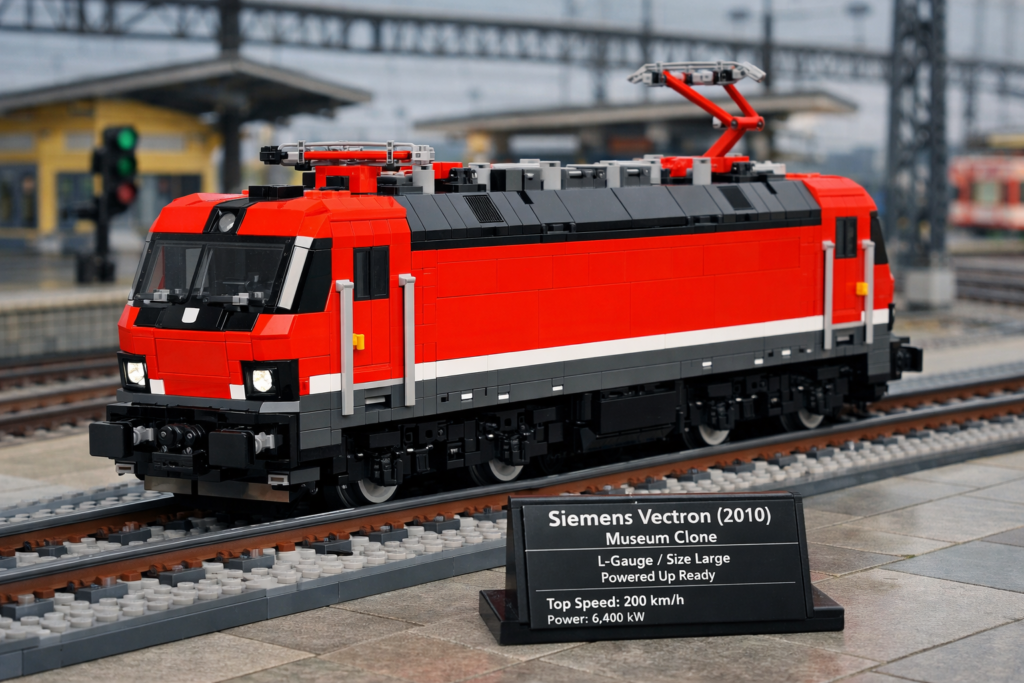
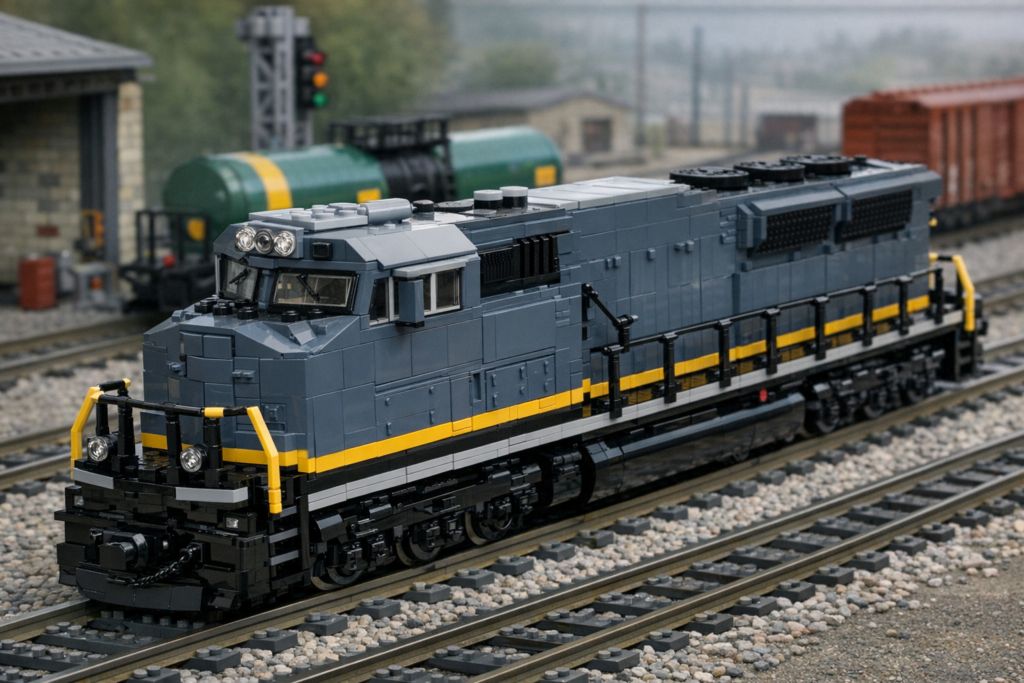
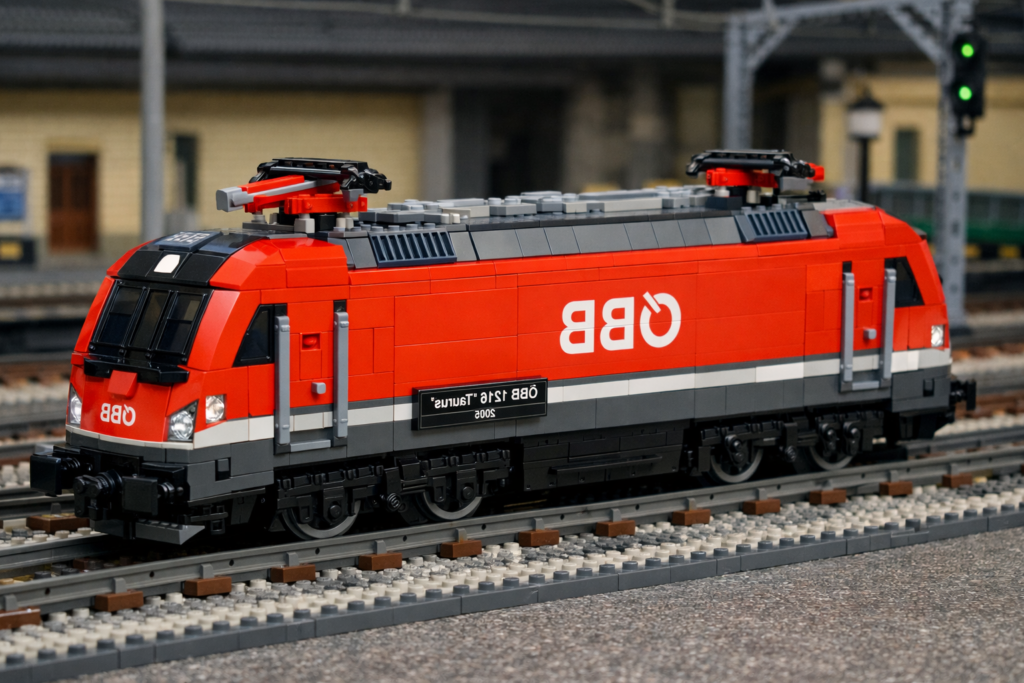
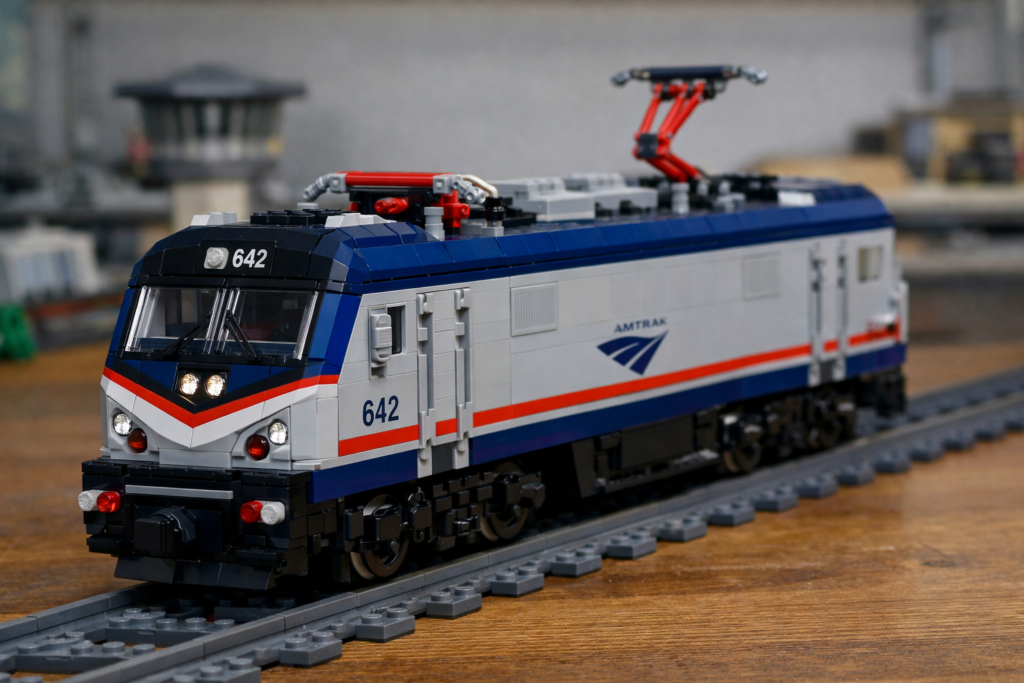
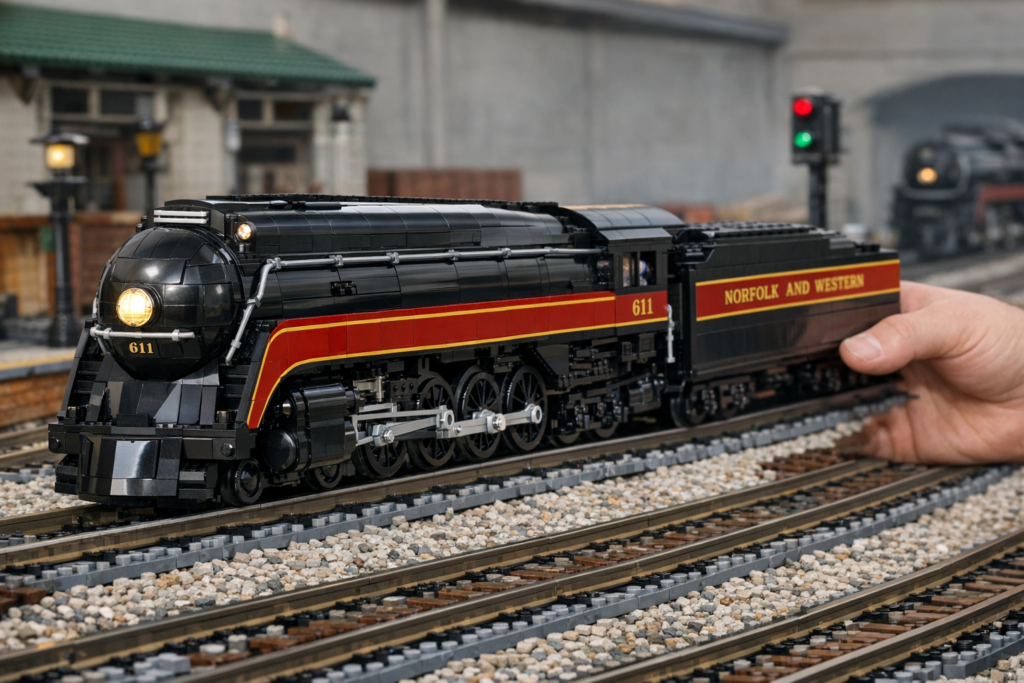
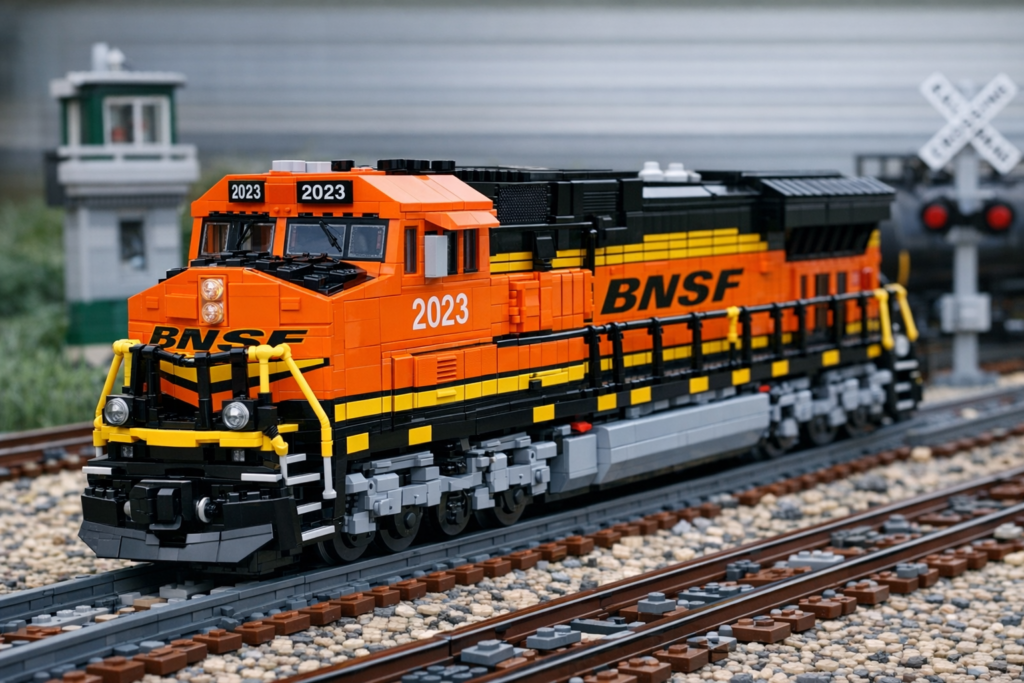
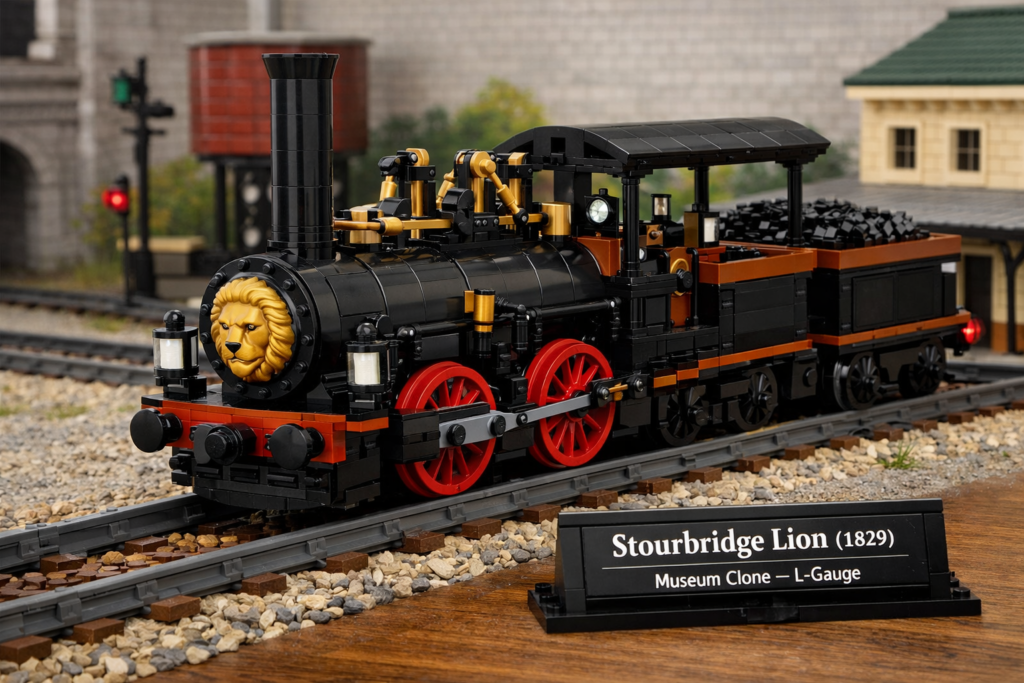
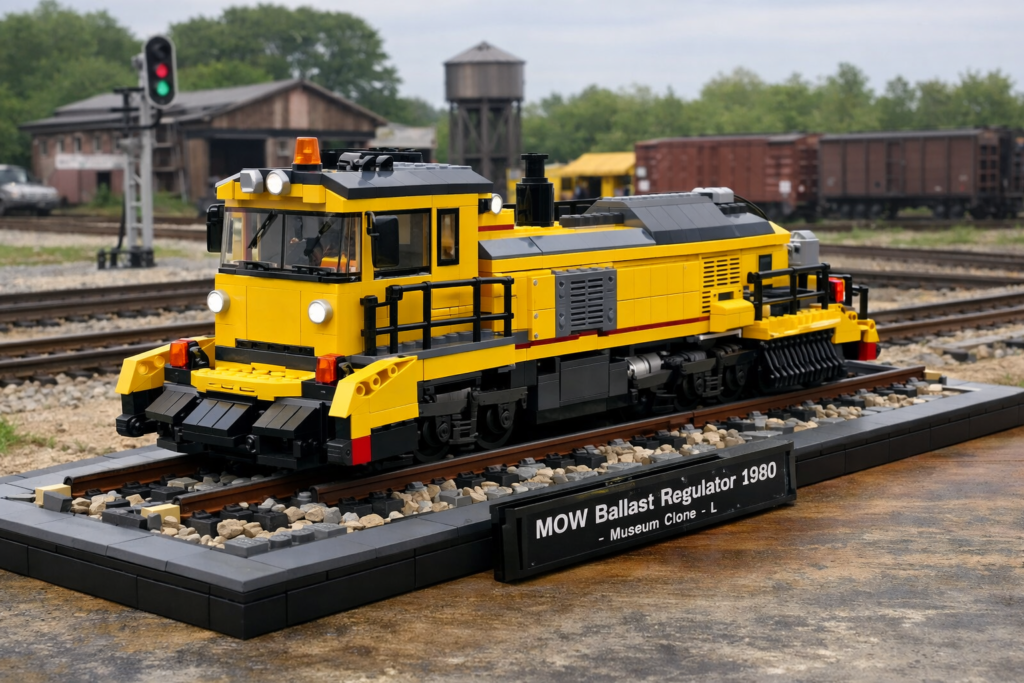
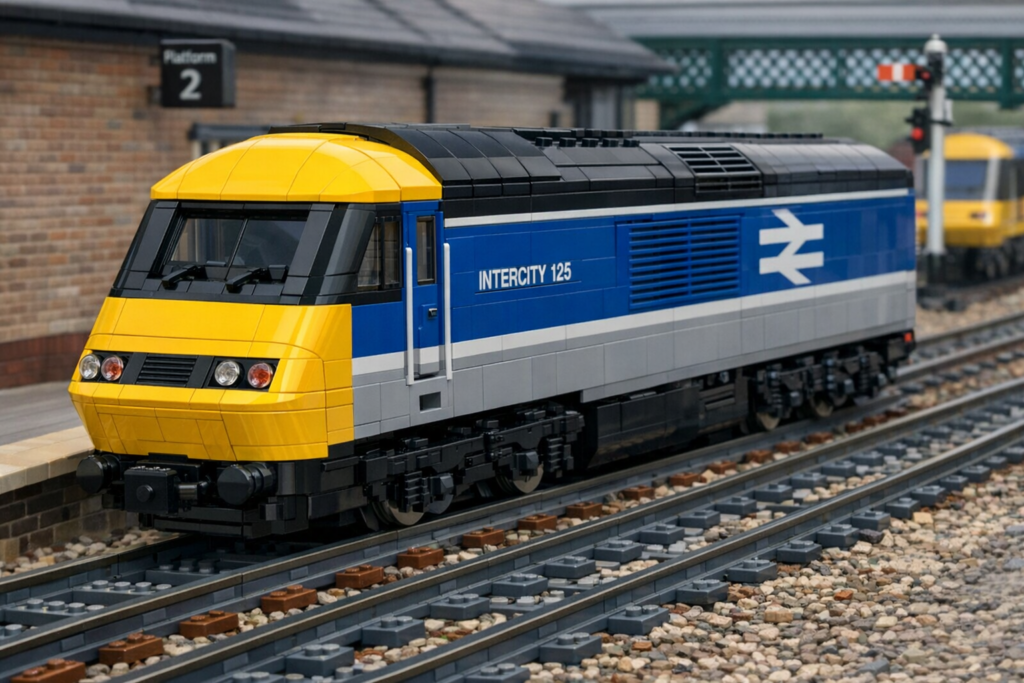
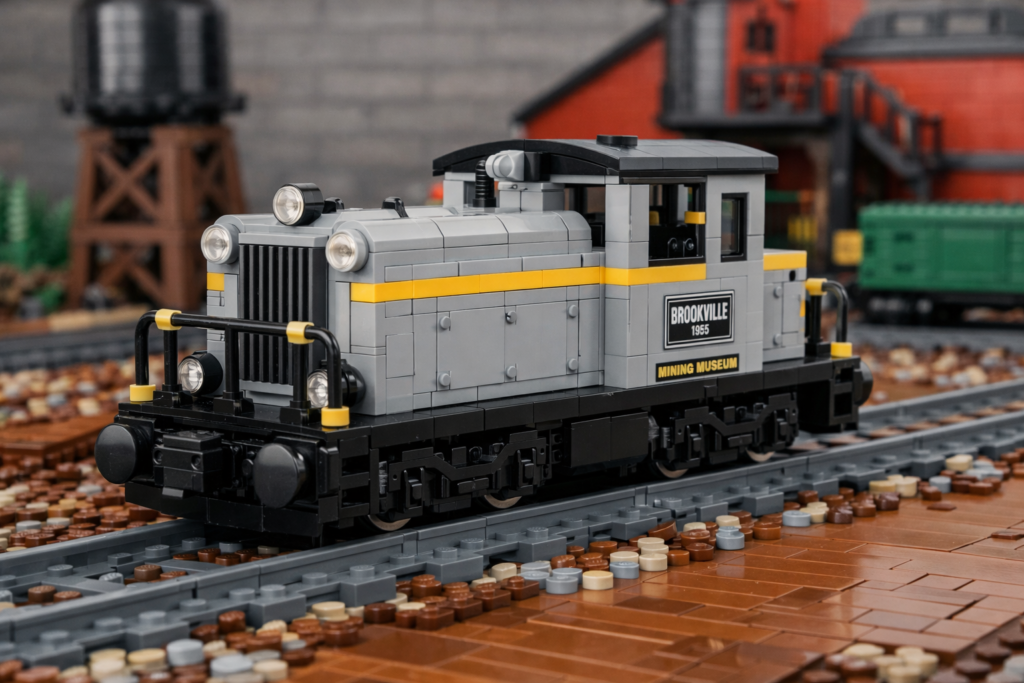
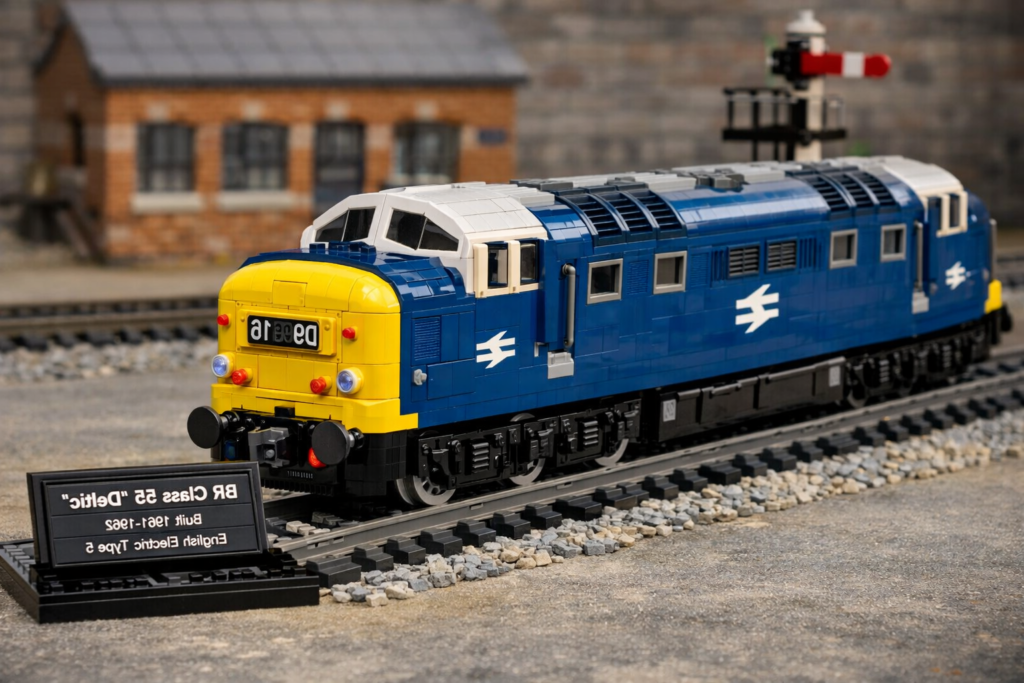
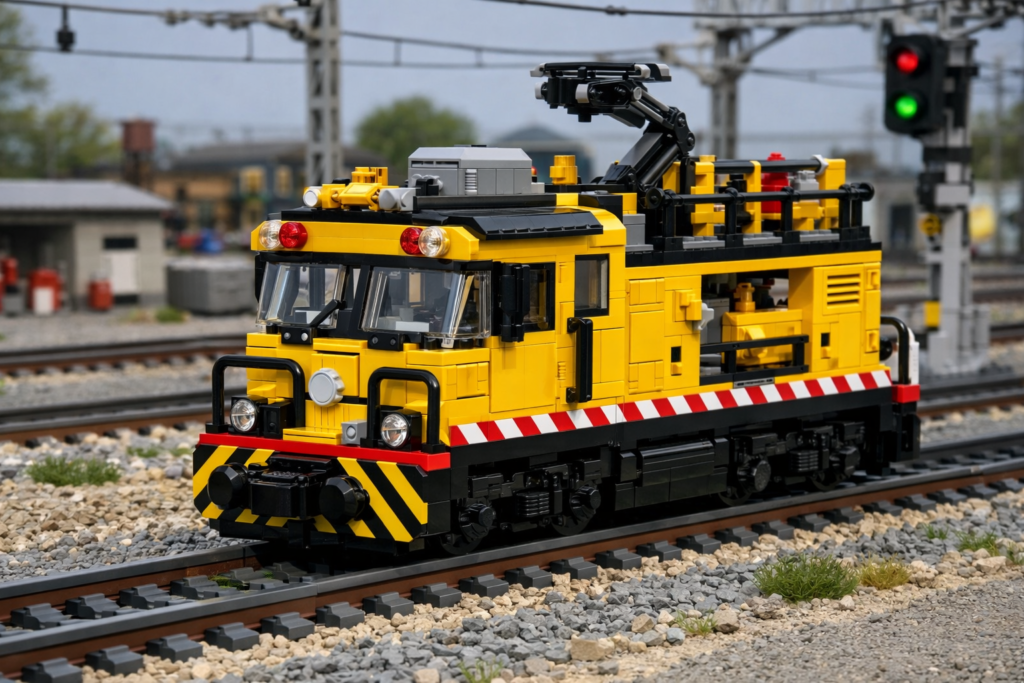
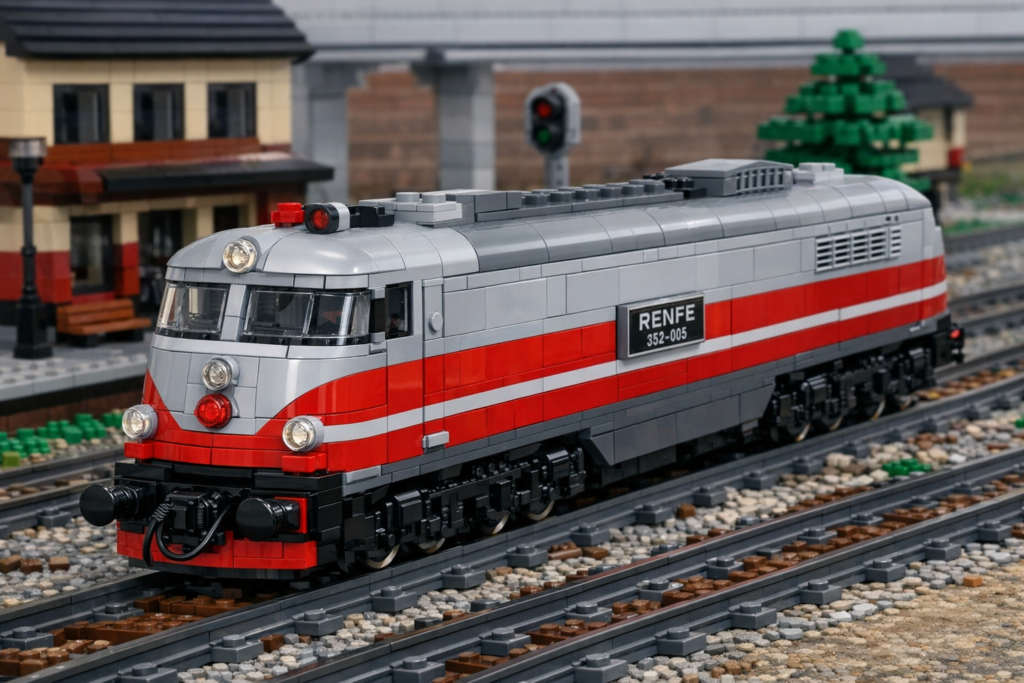
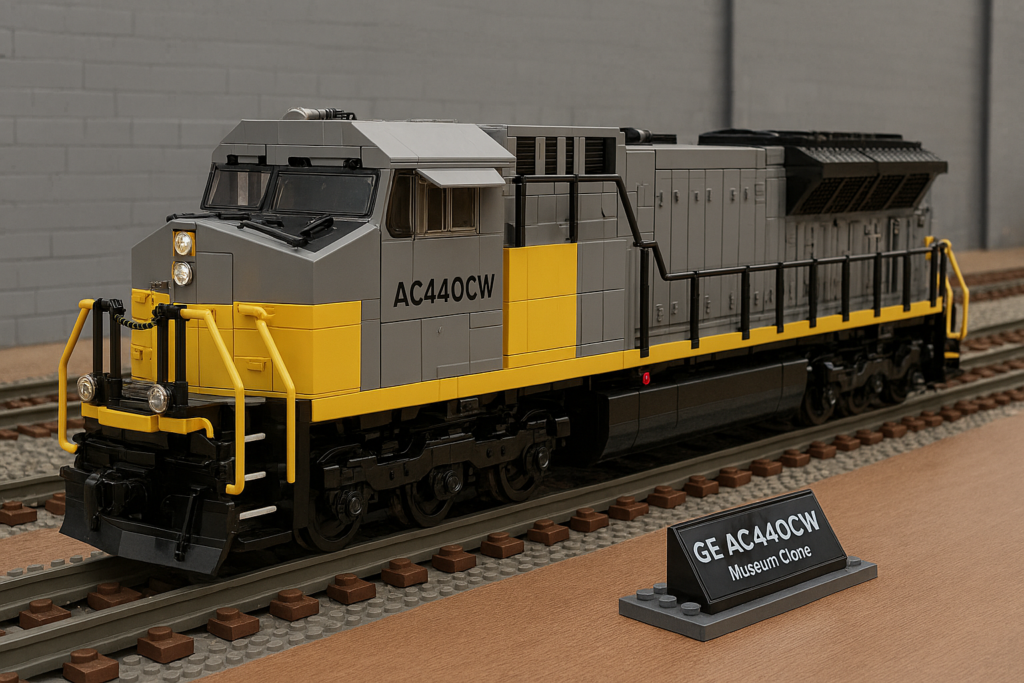
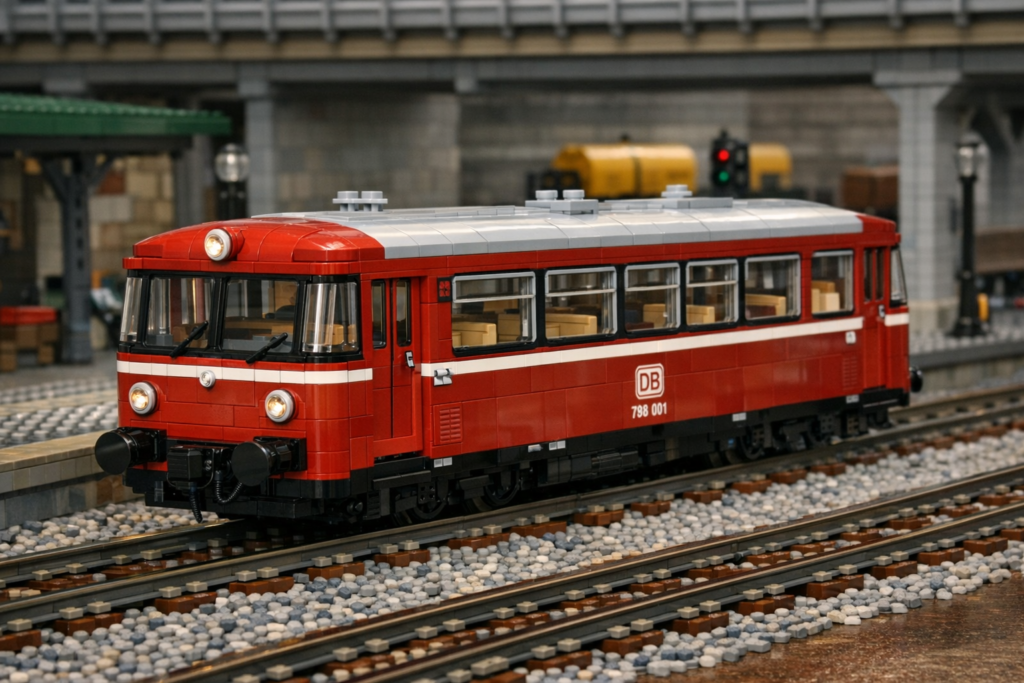
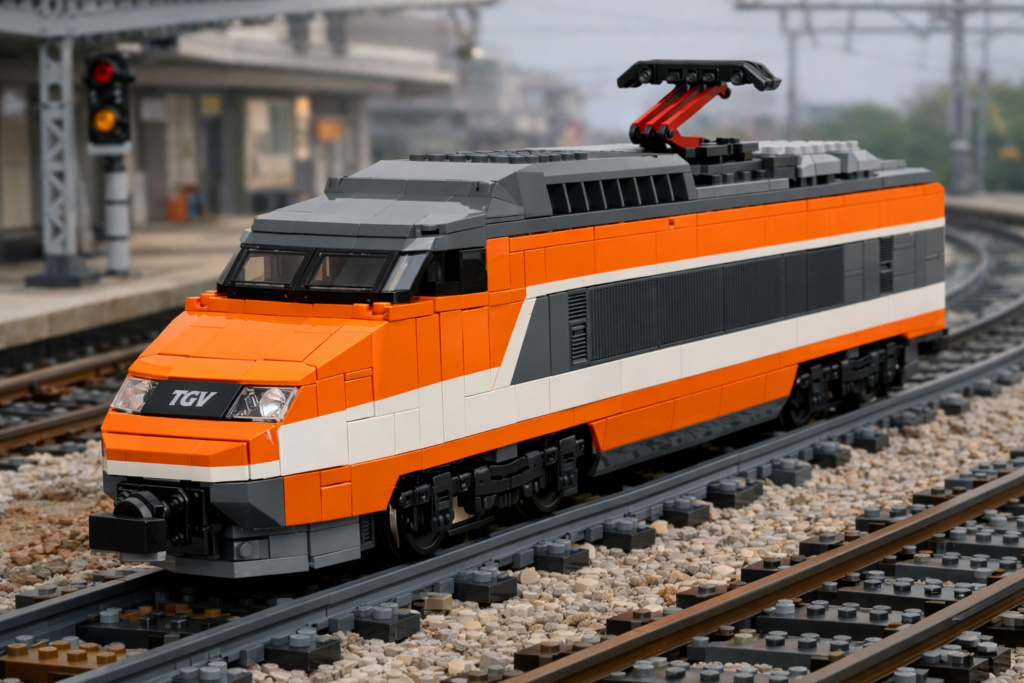
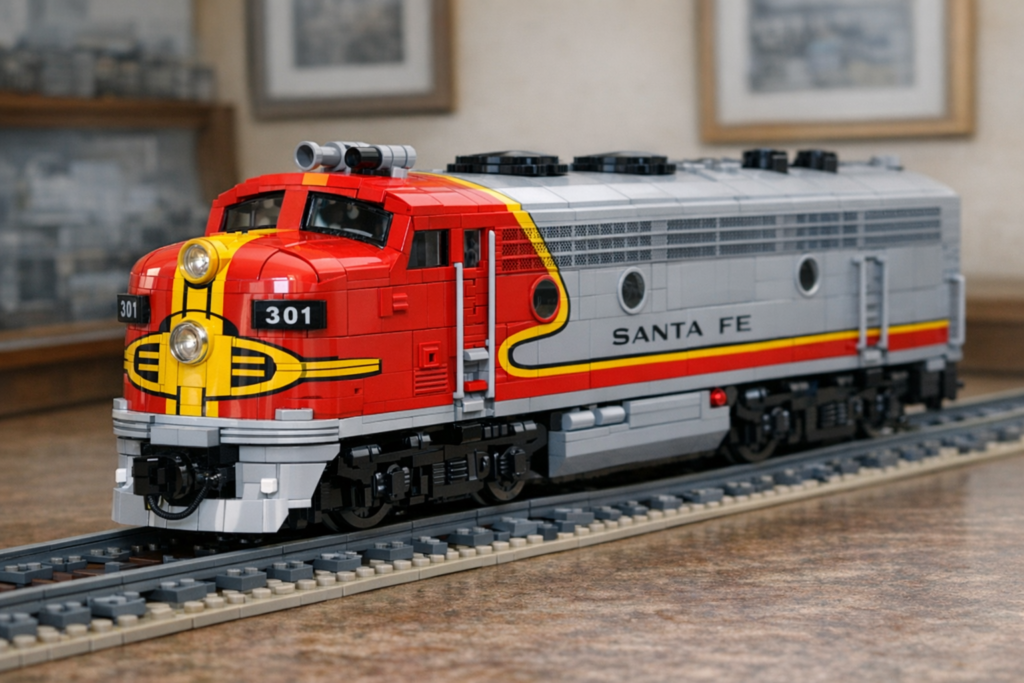
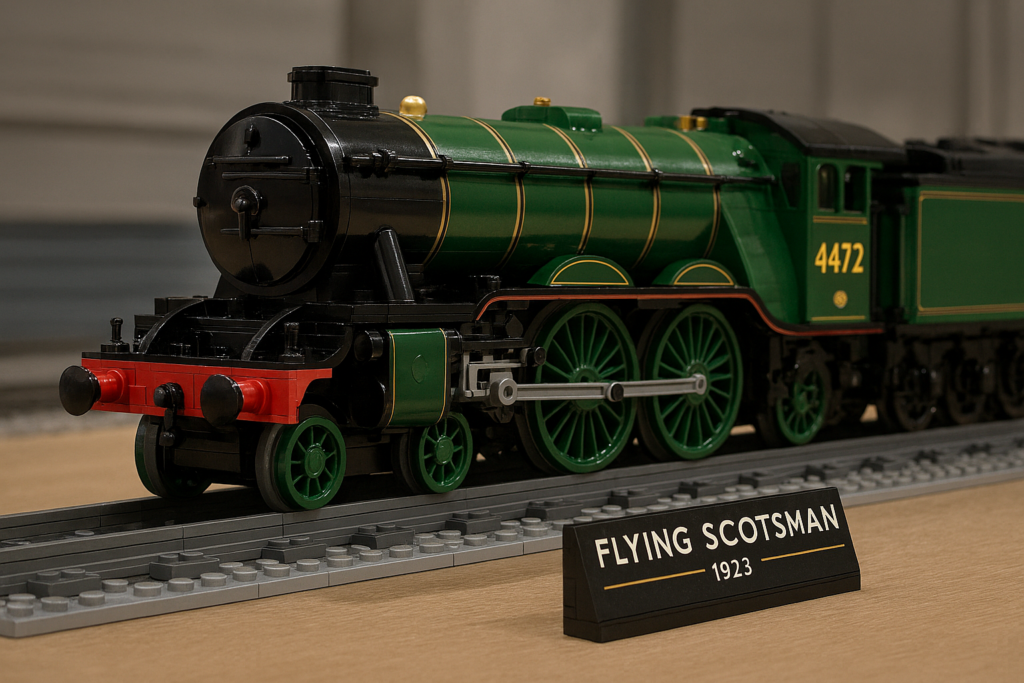
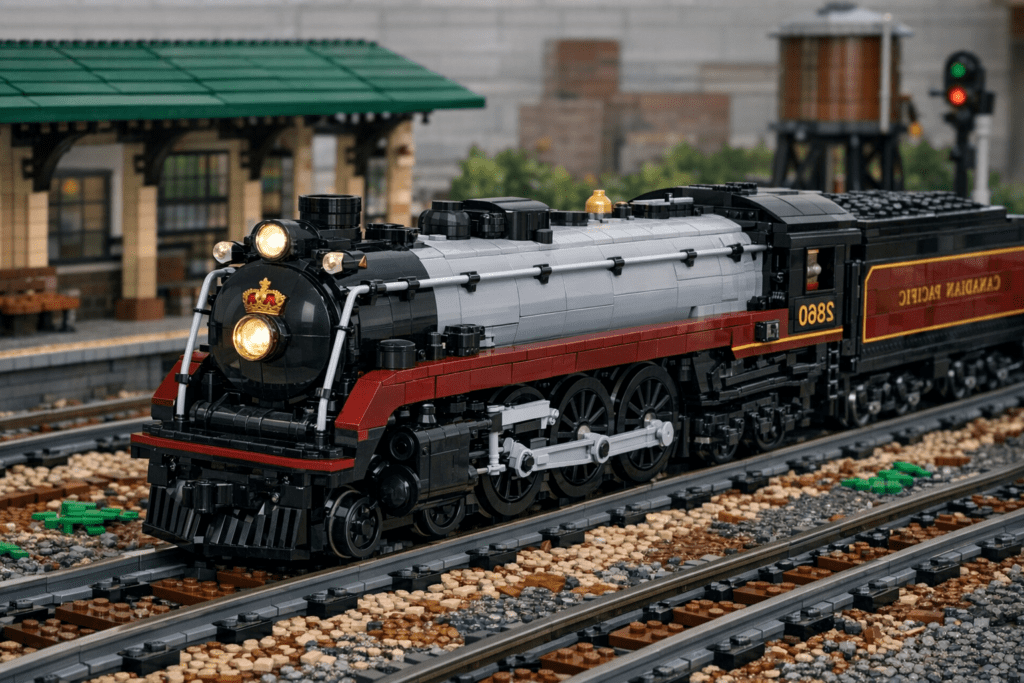
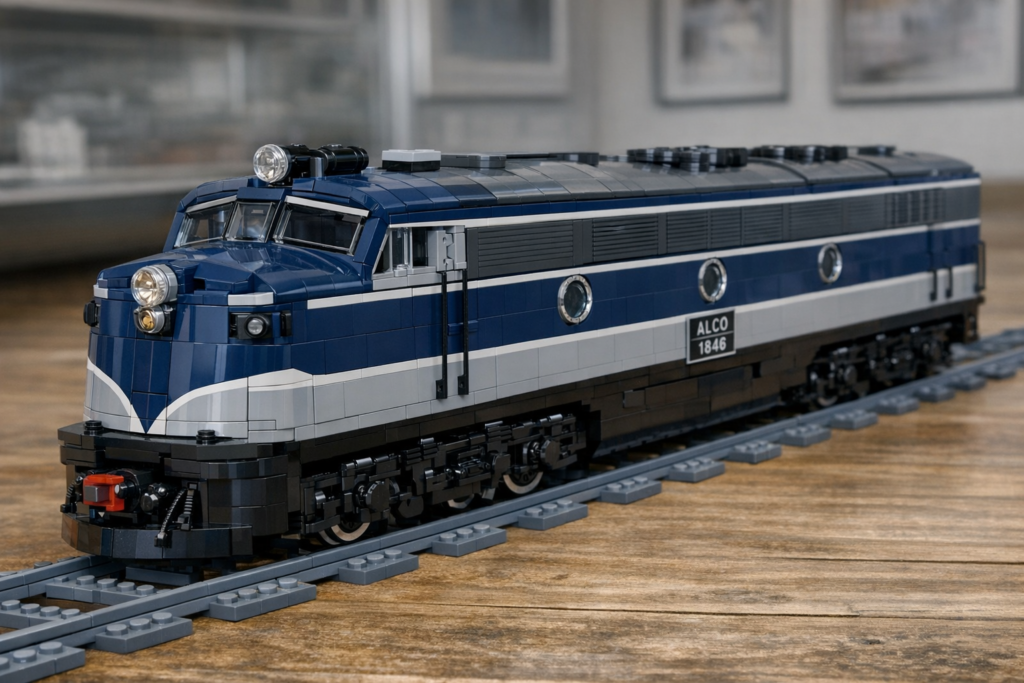
LEGO Train Engine and Rolling Stock Build Plans Generator
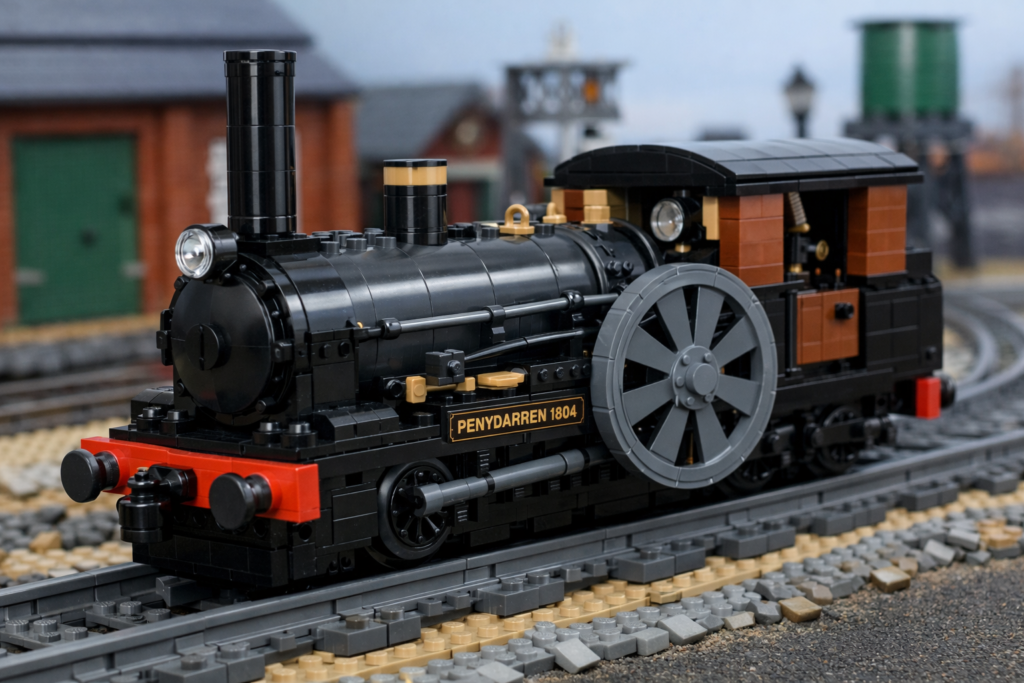
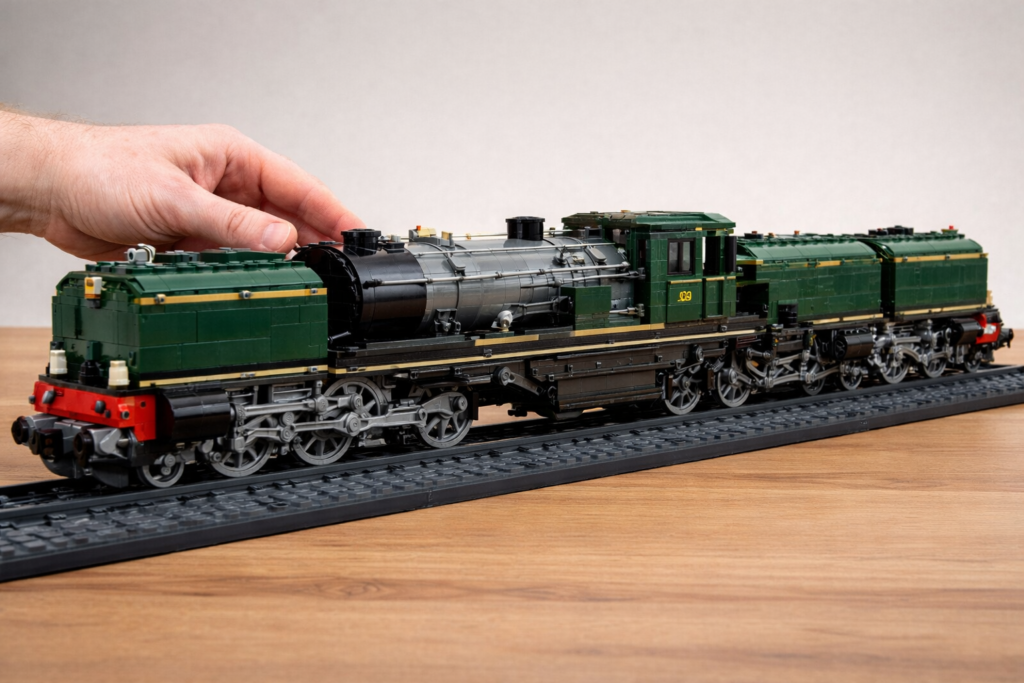
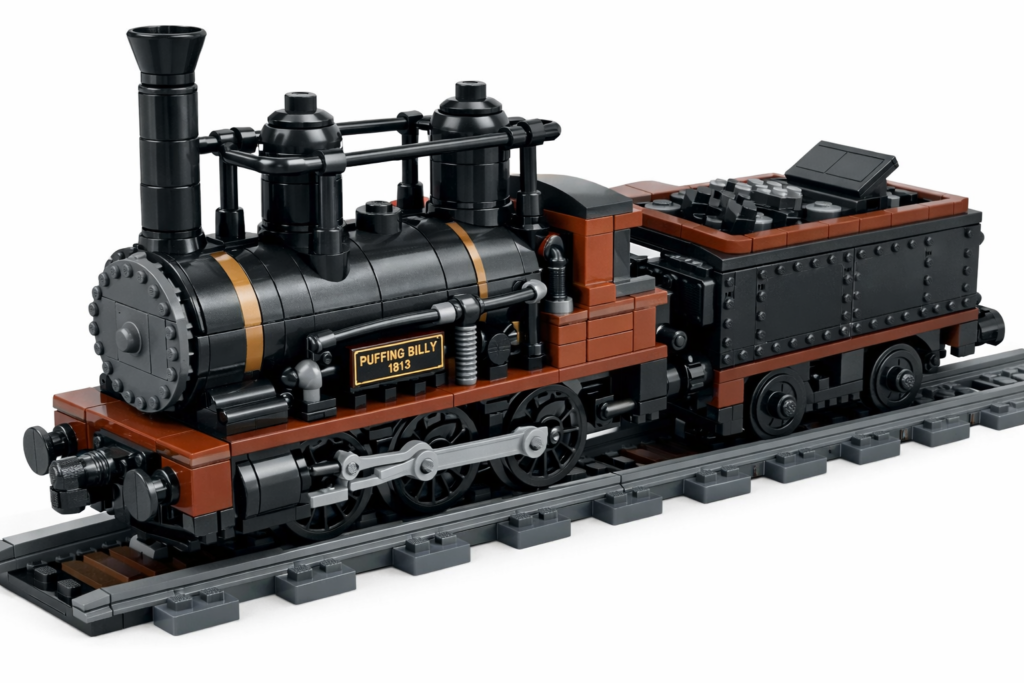
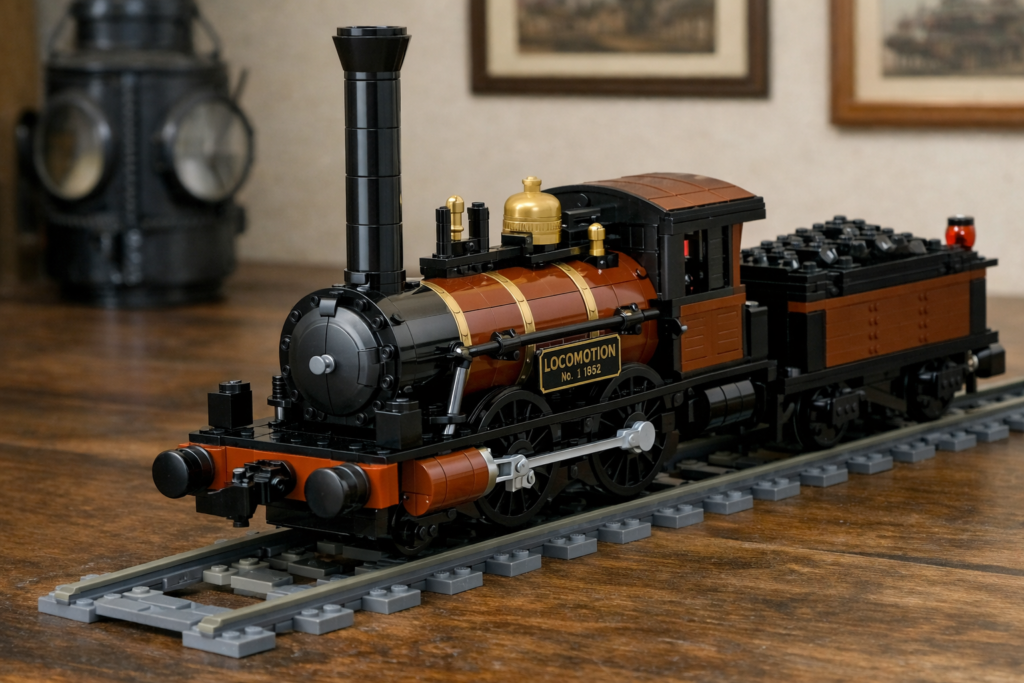
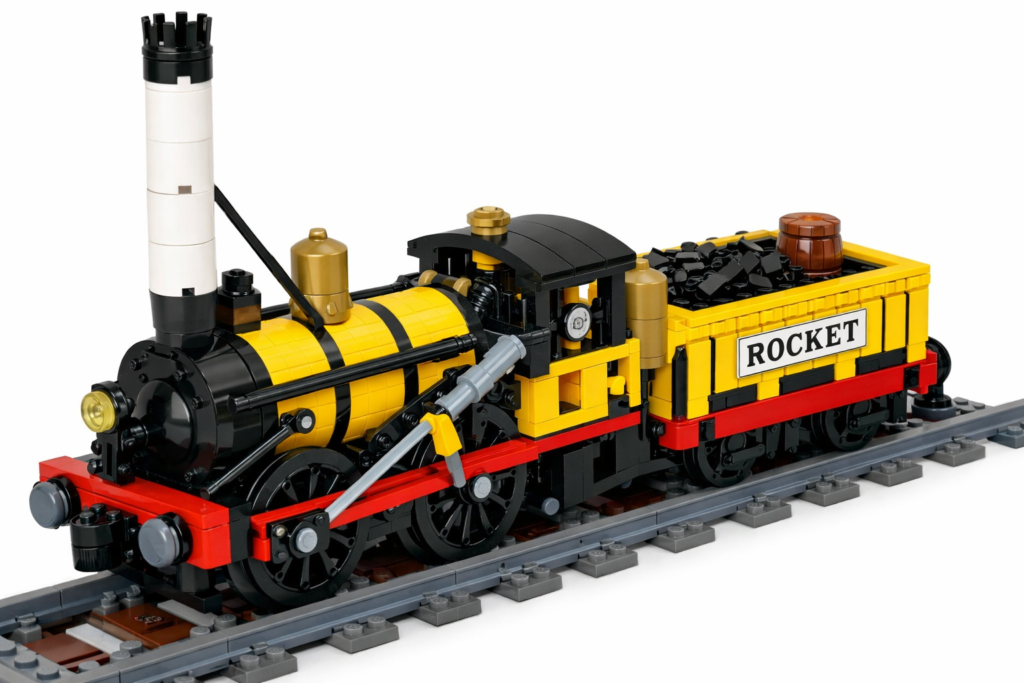
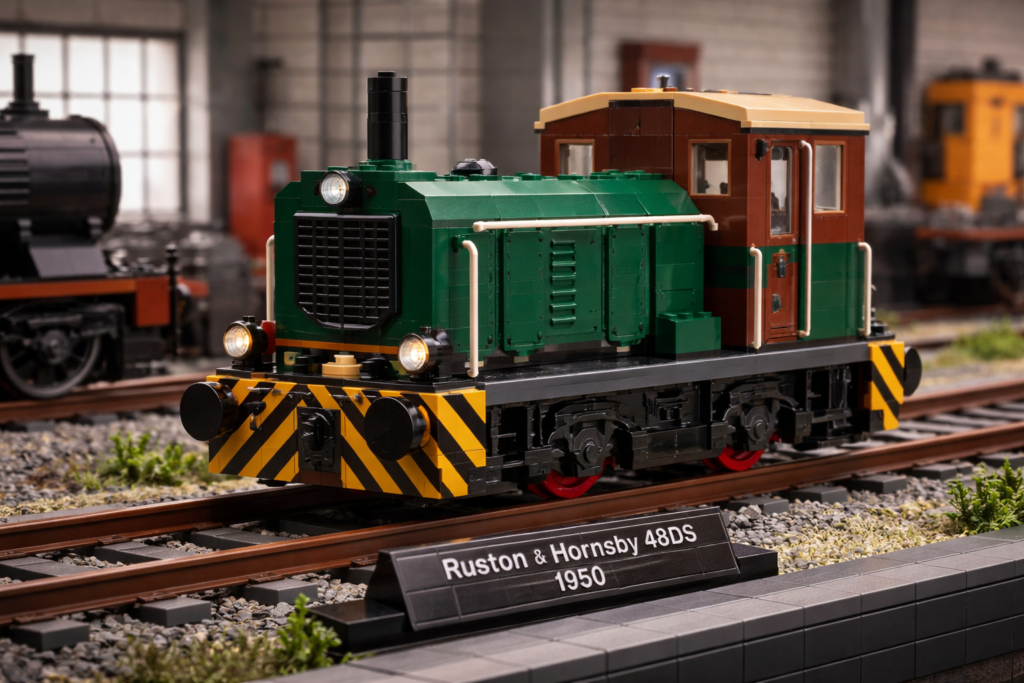
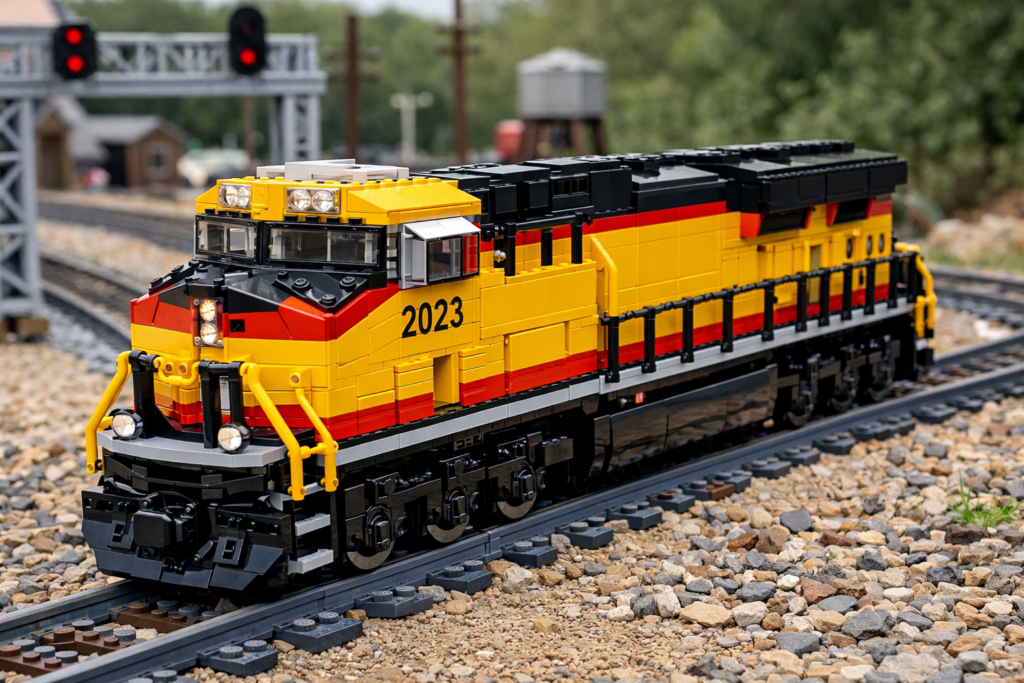
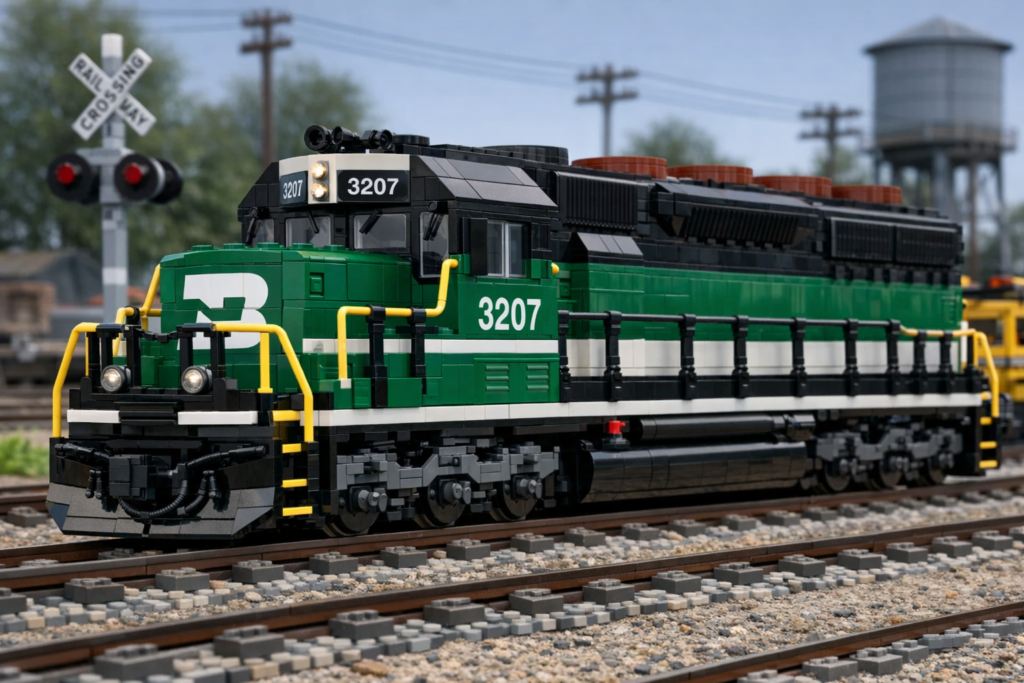
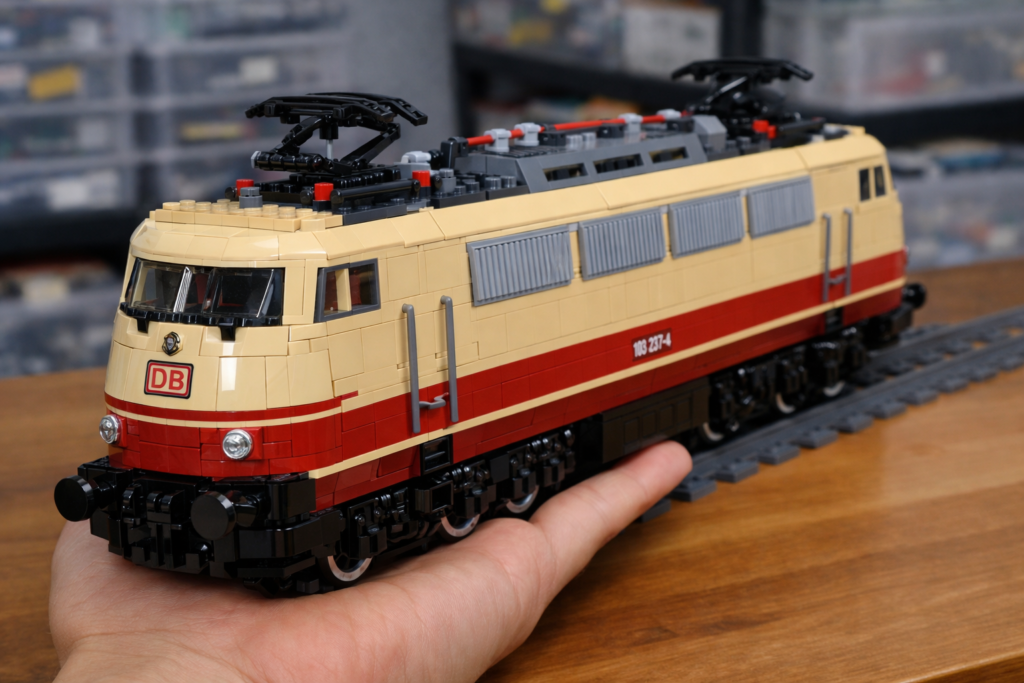
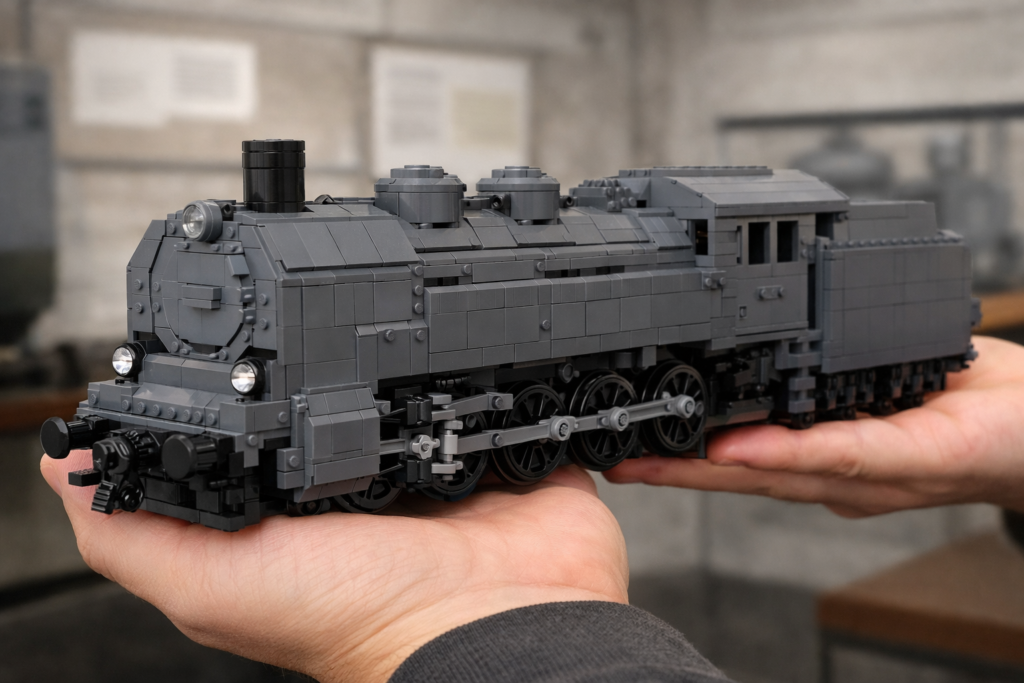
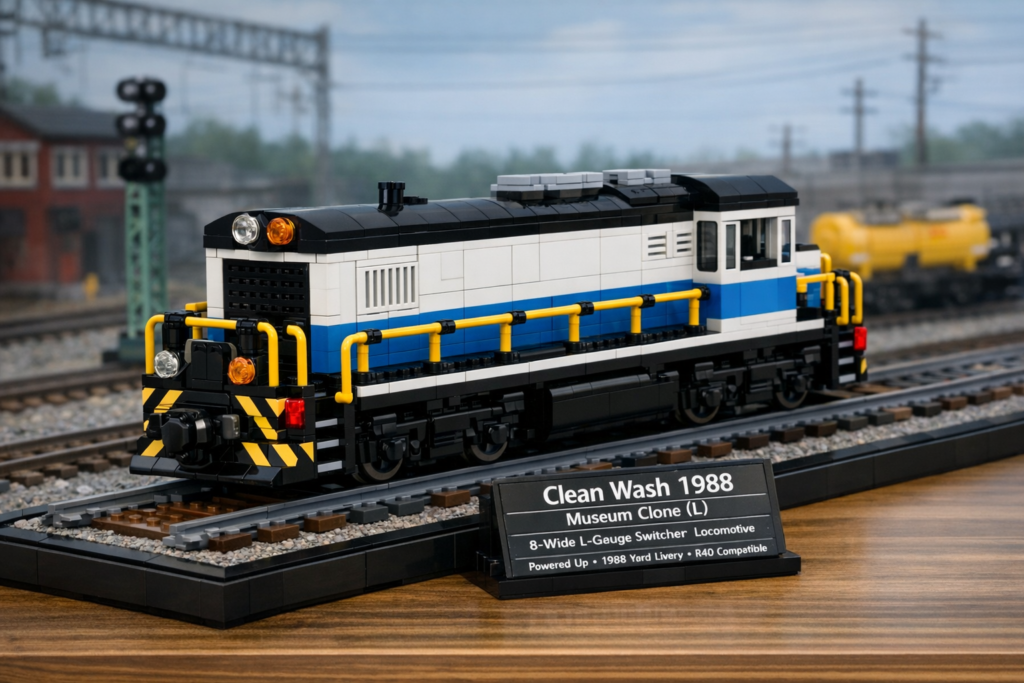
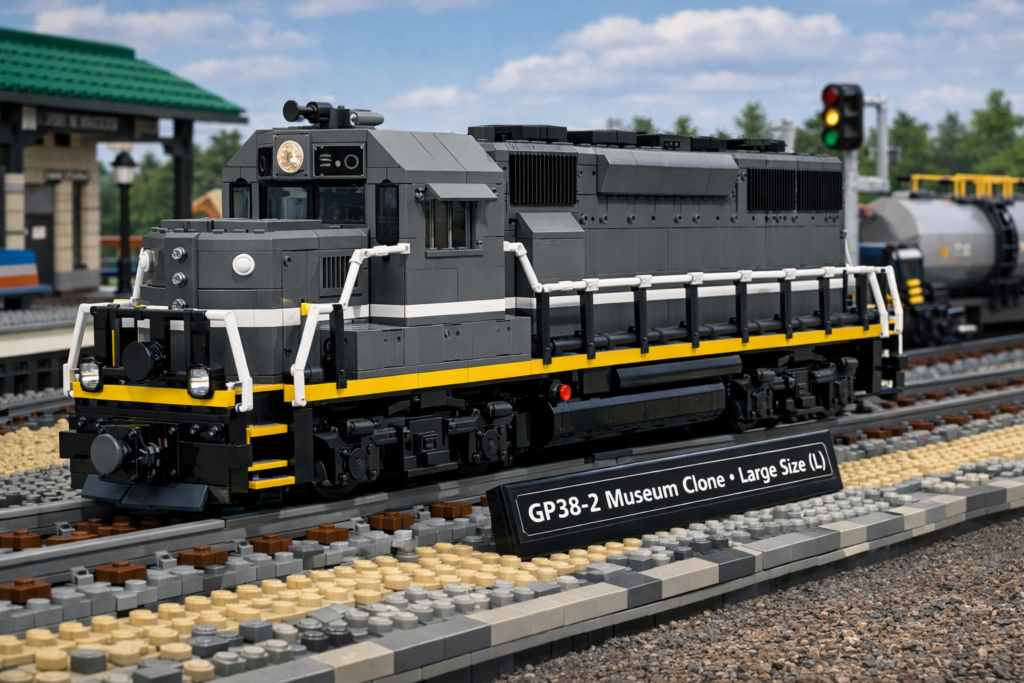
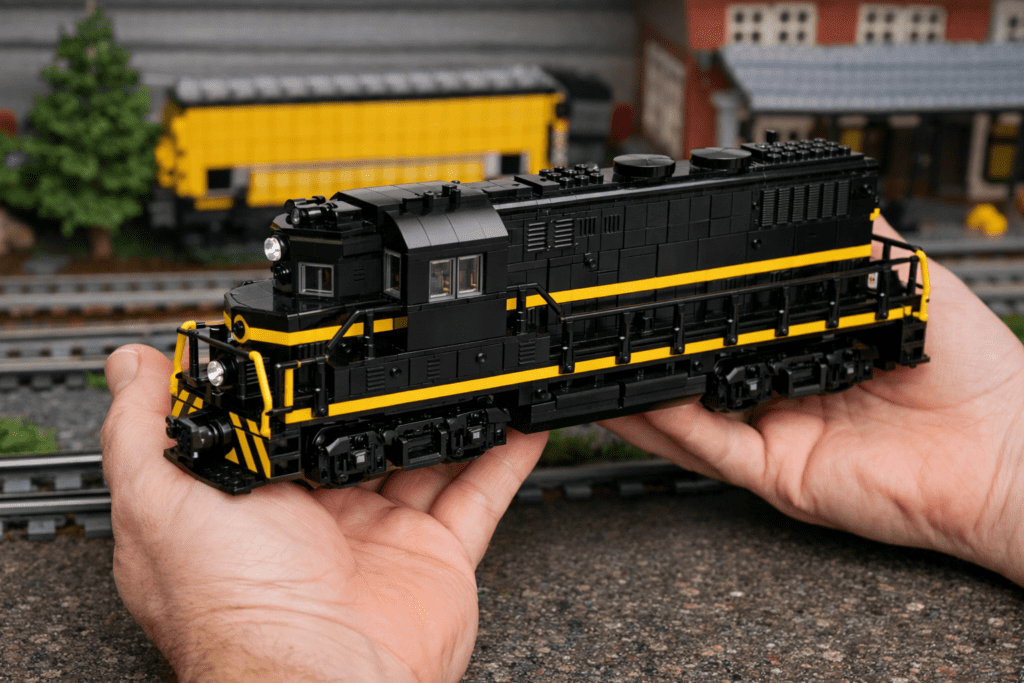
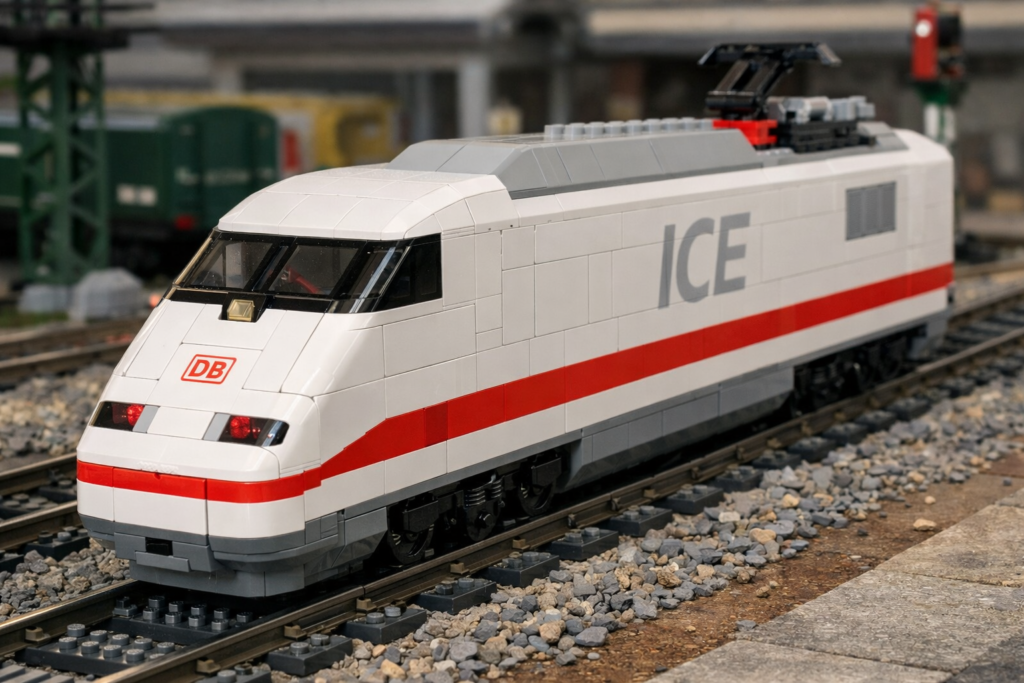
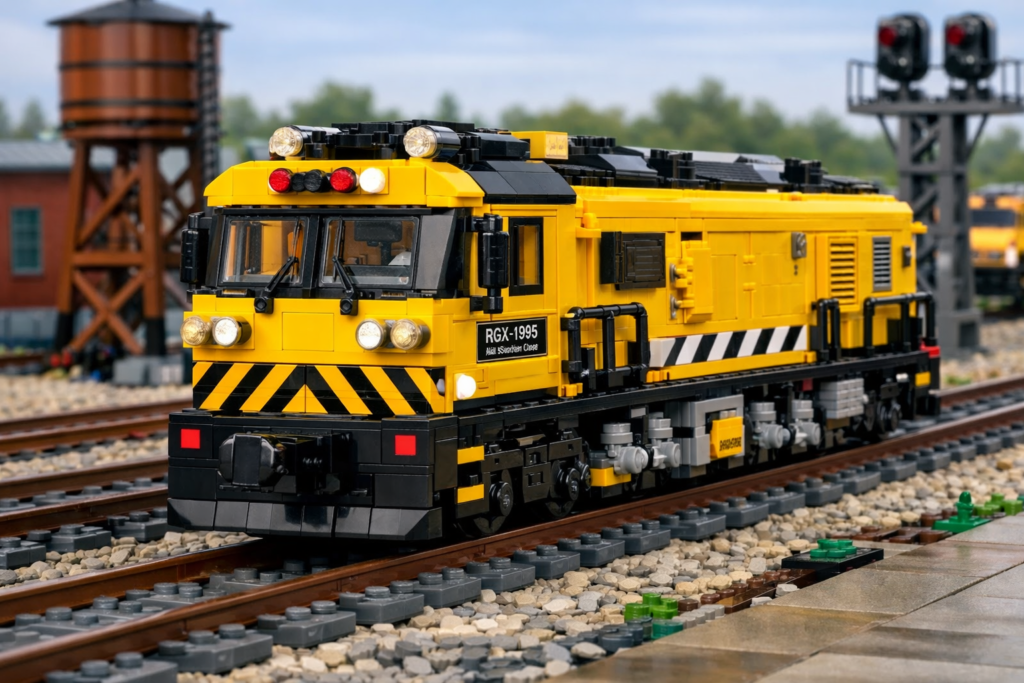
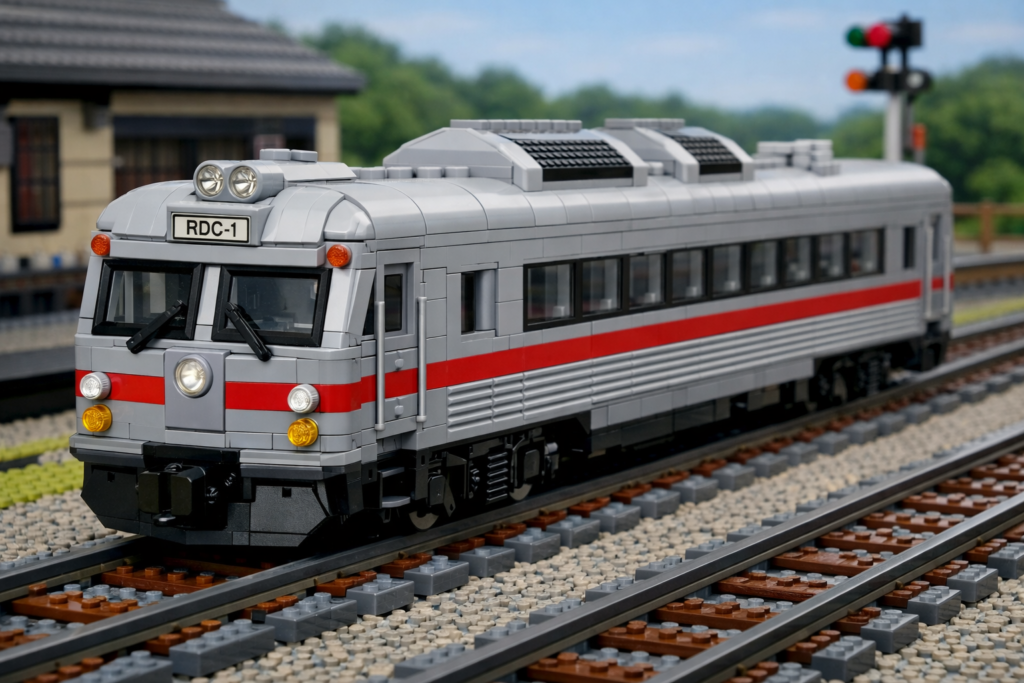
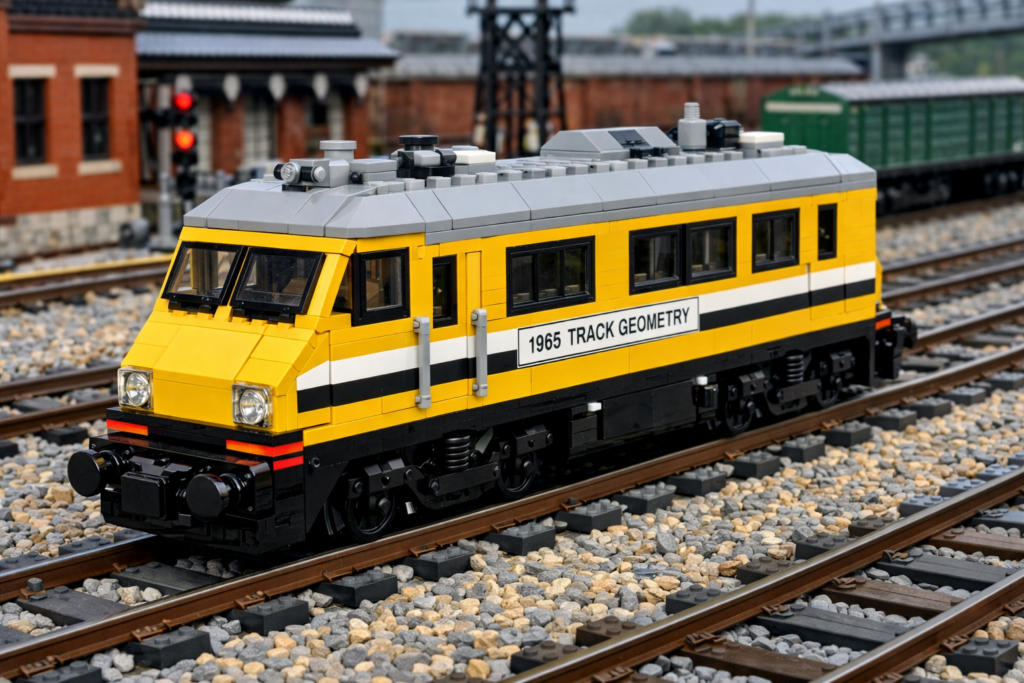
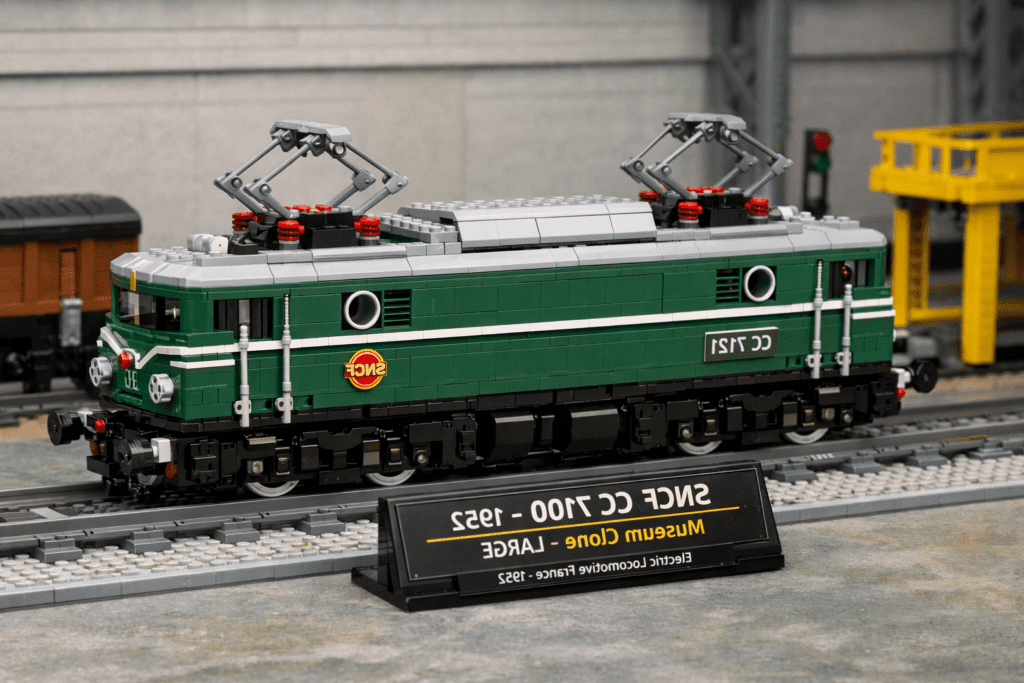
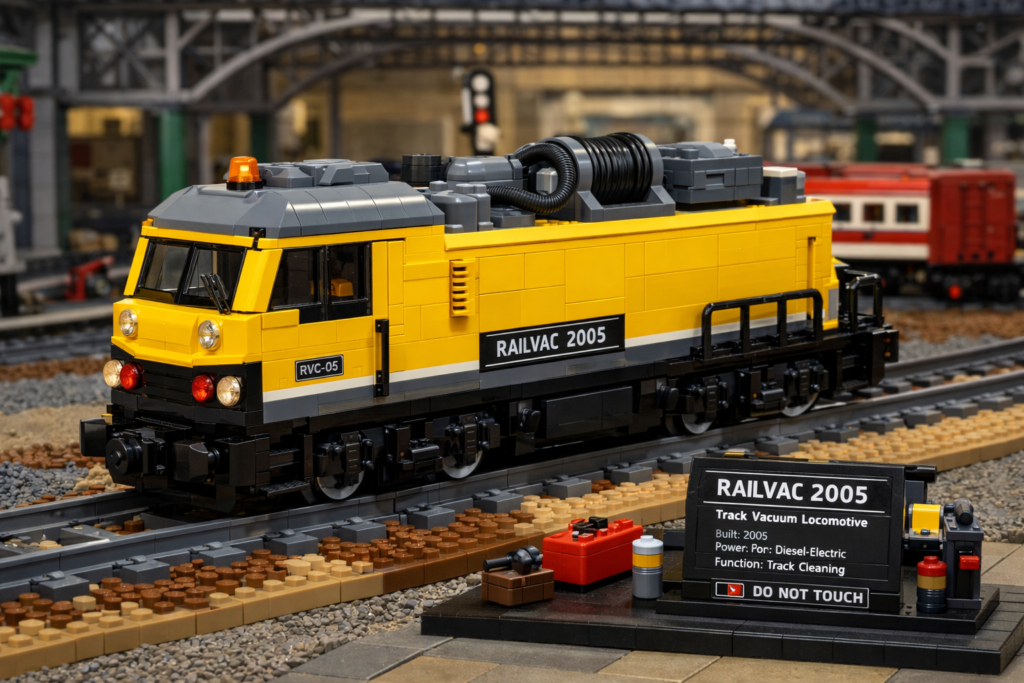
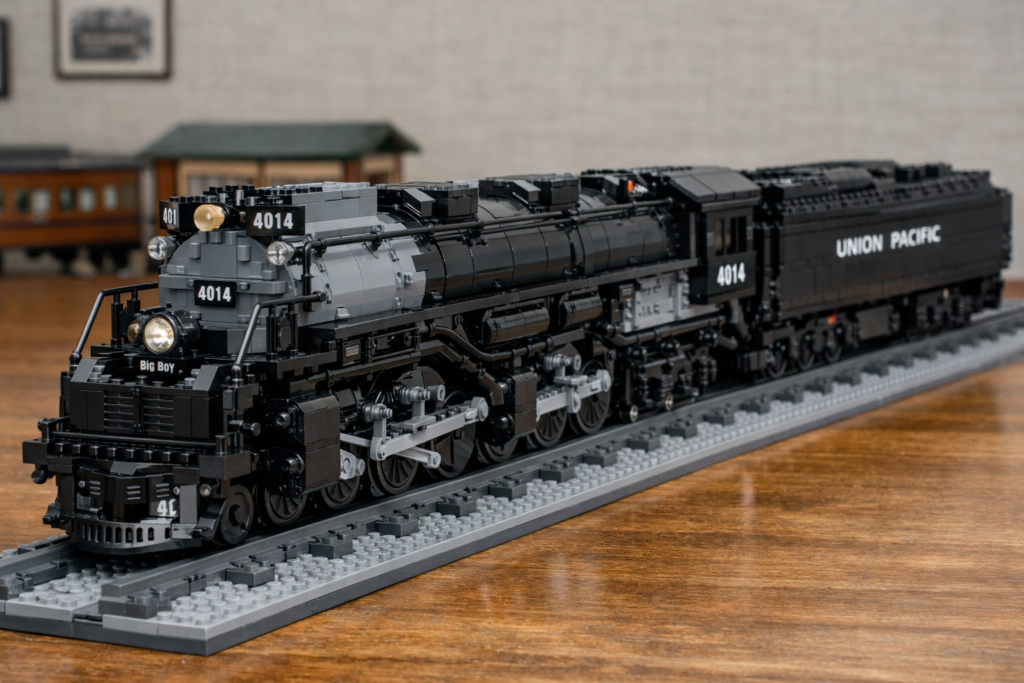
Create museum-style build instructions for LEGO-compatible locomotives and rolling stock that run on standard LEGO track.
L-Gauge standard: This page targets standard LEGO train track and focuses on real-build parts, legal techniques, BrickLink-friendly BOM notes, and reliable running.
Parts List Filter + Cost Analysis: Paste a BOM below. The page estimates brick count from lines that start with a quantity, then estimates cost at $0.07 per brick.
Paste BOM Text
Filtered BOM + Totals
0 lines0 bricks est.$0.00 est. cost
TacoCat Real Build Technology — Disclaimer:
These build instructions are AI-assisted. Part fit, strength, color availability, and substitutions may vary. Verify safety, legality of connections, and running clearance before building.
How to Build LEGO Train Engines and Rolling Stock
Building LEGO train engines and rolling stock is a great way to mix history, design, and real-world model planning. The best builds balance accurate shape, reliable running, and parts that are easy to source.
Choose the Right Train Style
Start with the type of model you want to build. Steam locomotives need smart boiler shaping and rod clearance. Diesel engines need strong frames and clean body lines. Passenger and freight cars need good proportions, stable trucks, and smooth tracking.
Design for Real Curves
Tight curves can ruin a good-looking build. That is why the generator above asks about R40, R56, and larger radii. This helps guide wheelbase length, truck pivot spacing, coupler swing, and overhang.
Use Realistic Parts Strategy
A strong LEGO train build uses real parts, legal connections, and easy substitutions. This saves money and makes rebuilding simpler. It also helps when you want to turn a digital train design into a real display or working model.
What is L-gauge?
L-gauge is the standard used by LEGO train builders for models that run on regular LEGO train track.
Can this page generate prompts for both engines and cars?
Yes. You can choose locomotive or rolling stock, then adjust size, running radius, budget, and build features.
Does this page estimate build cost?
Yes. The BOM area estimates cost at seven cents per brick based on pasted quantity lines.